
Global high-mix volume high-speed PCBA manufacturer
9:00 -18:00, Mon. - Fri. (GMT+8)
9:00 -12:00, Sat. (GMT+8)
(Except Chinese public holidays)





HomePage > Blog > Knowledge Base > Medical Device PCBA: Inside the Manufacturing Process
1. Medical Device PCBA and Its Applications
2. From Components to Assembled Medical Circuit Boards
3. Quality Control and Traceability in Medical PCBA Manufacturing
4. Common Manufacturing Challenges and How to Address Them
Medical device PCBA production requirements vary depending on the use. Small circuit boards have tightly packed components and little room for soldering and installation. The measurement circuit is relatively sensitive to component parameters and surface cleanliness. Boards with larger connectors also need to pay attention to soldering strength and mechanical support.
Understanding the medical PCB assembly process is helpful for engineers and purchasing personnel to clarify production requirements. This article will introduce the main steps of medical device circuit boards from material preparation to assembly, inspection, and testing. At the same time, it will also explain quality control, traceability requirements, and common problems during production.
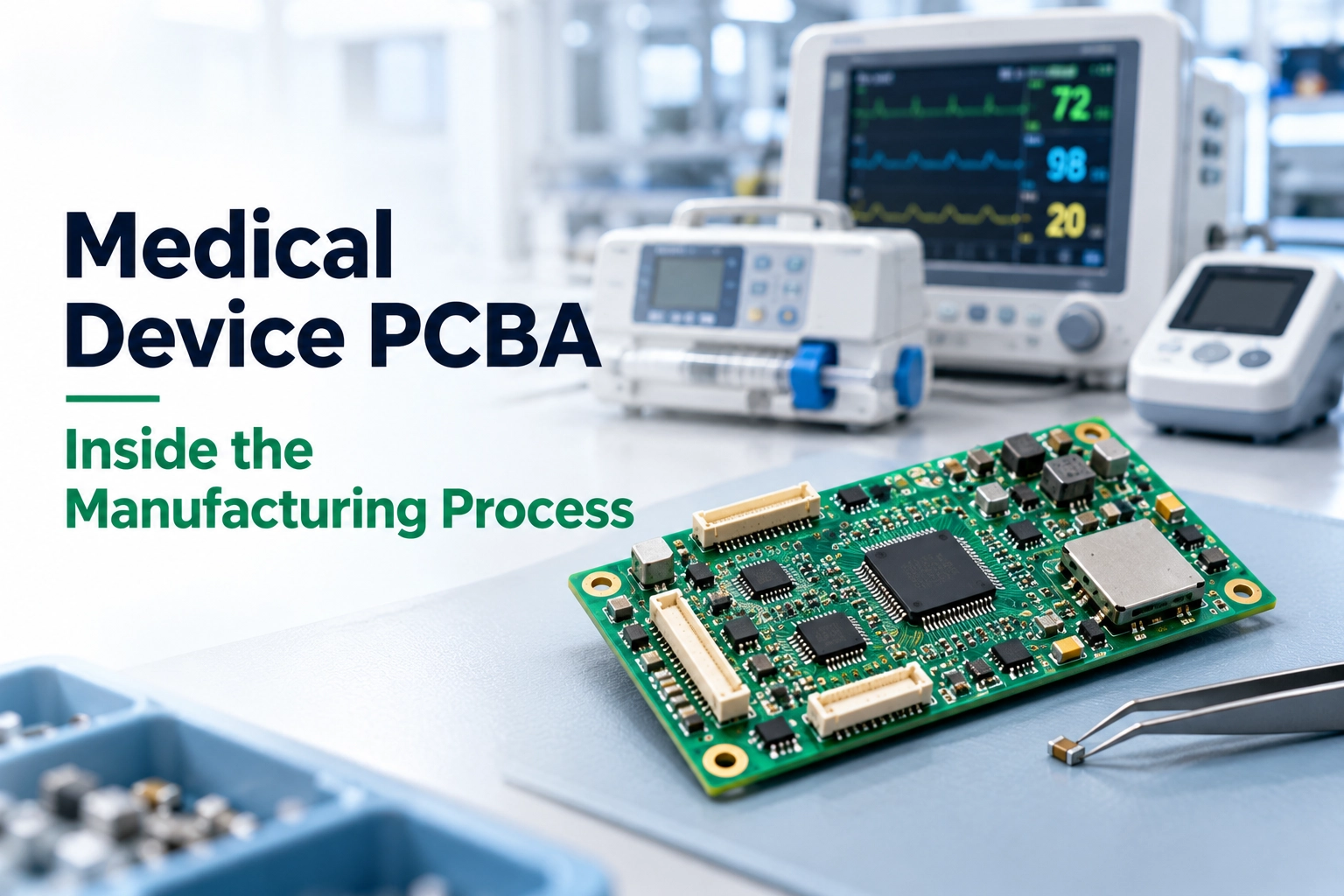
Medical device PCBA is a circuit board assembly containing electronic components and used for medical equipment. The bare PCB provides electrical connections and mechanical support. Components such as processors, amplifiers, and power devices are responsible for implementing specific functions.
A single device may contain multiple medical device circuit boards, each responsible for signal processing, power management, and display control. They work together through connectors or cables. Here are some common applications of medical PCB assembly:
|
Application |
Device examples |
Circuit board main functions |
|
Diagnostic equipment |
Ultrasound system, blood analyzer |
Process sensor signals and measure data |
|
Patient monitoring |
Bedside monitor, electrocardiogram recorder |
Collect physiological signals, support display and alarm |
|
Therapeutic equipment |
Infusion pump, ventilator |
Control motors or valves, process sensor feedback |
|
Wearable medical equipment |
Electrocardiogram patch, continuous glucose monitor |
Collect data, manage power supply and transmit data |
|
Implantable equipment |
Cardiac pacemaker, implantable nerve stimulator |
Control electrical stimulation, monitor equipment operation status |
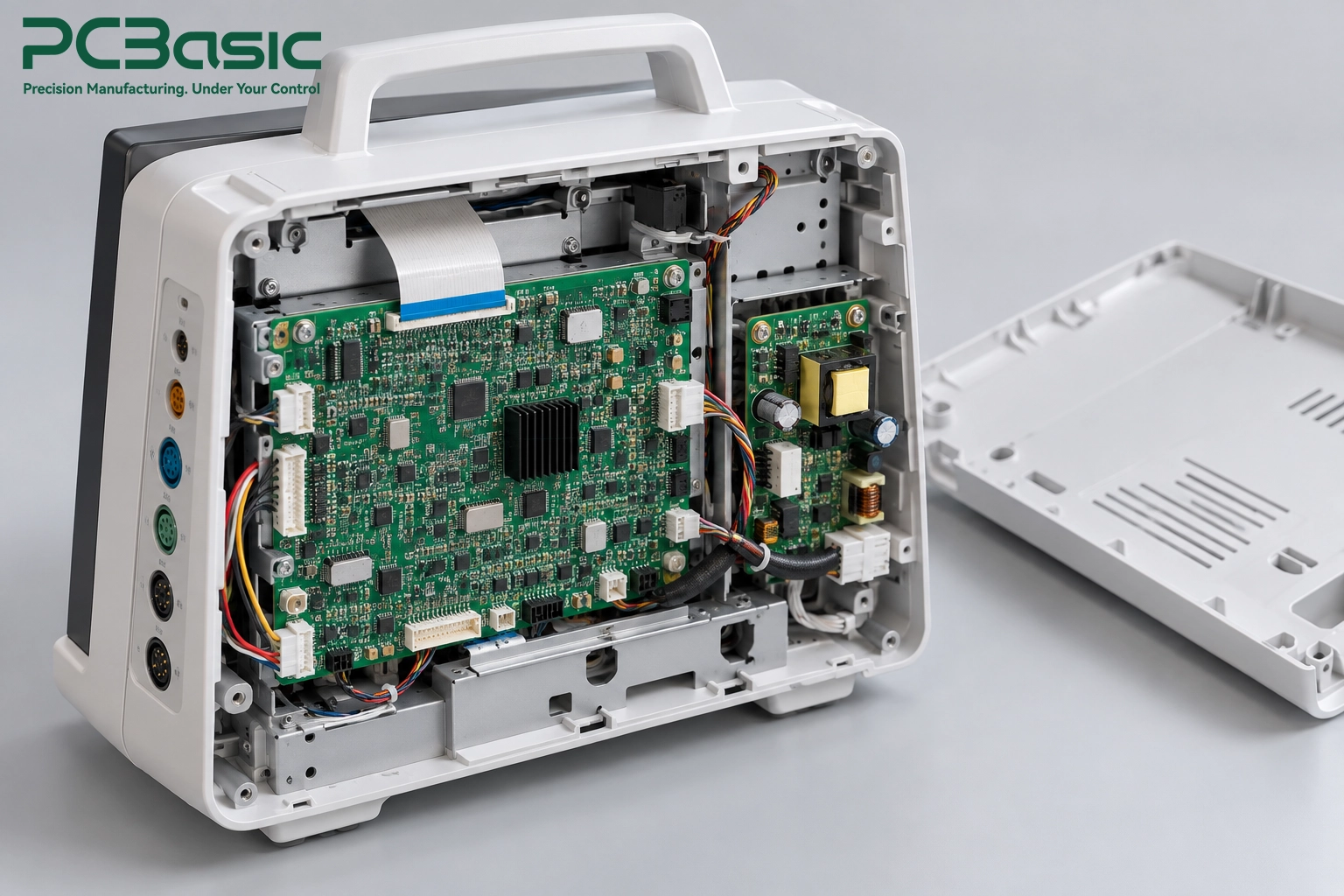
Different applications have different requirements. The measurement circuit emphasizes signal stability, battery-powered devices focus on power consumption, and treatment equipment needs reliable control output and connections.
The structure of the circuit board should also be selected as needed. Rigid boards are suitable for many medical instruments. When space is limited, high-density medical PCBA can accommodate more densely packed circuits. When folding installation is required, rigid-flex PCB assembly can connect the rigid board area through the flexible part. The specific choice depends on the device function, installation space, and usage environment.
Before starting the medical PCB assembly process, engineers will first check the manufacturing files. The PCB data, BOM, mounting files, and assembly drawings must correspond to the same approved configuration. The firmware to be programmed and the test requirements must also be consistent with the current production version.
Next, engineers will check the component spacing, panelization, as well as whether the test points and installation space are sufficient. If any adjustments are needed, the manufacturer will propose suggestions and submit them to the customer's engineering team for confirmation before making the modifications.

The purchasing staff prepares the bare boards and components according to the approved specifications. During the incoming material inspection in medical PCB assembly, the factory will verify the part numbers, quantities, material status, and related records. Even if the packages are the same, the performance of the components may still differ, so they cannot be directly replaced without approval.
Moisture-sensitive components should be stored as required, and the exposure time after opening the packaging should be recorded. The production staff also need to take precautions against static electricity during operation. After the material records are associated with the work orders, the corresponding batch can be traced through medical PCBA traceability in the future.
In SMT production, solder paste is first applied, then components are placed, and finally solder joints are formed through reflow soldering. For high-density medical PCBA, excessive solder paste is prone to bridging, while insufficient solder paste may cause insufficient soldering. Engineers also need to set the reflow profile based on the solder paste, component temperature limit, and board material.
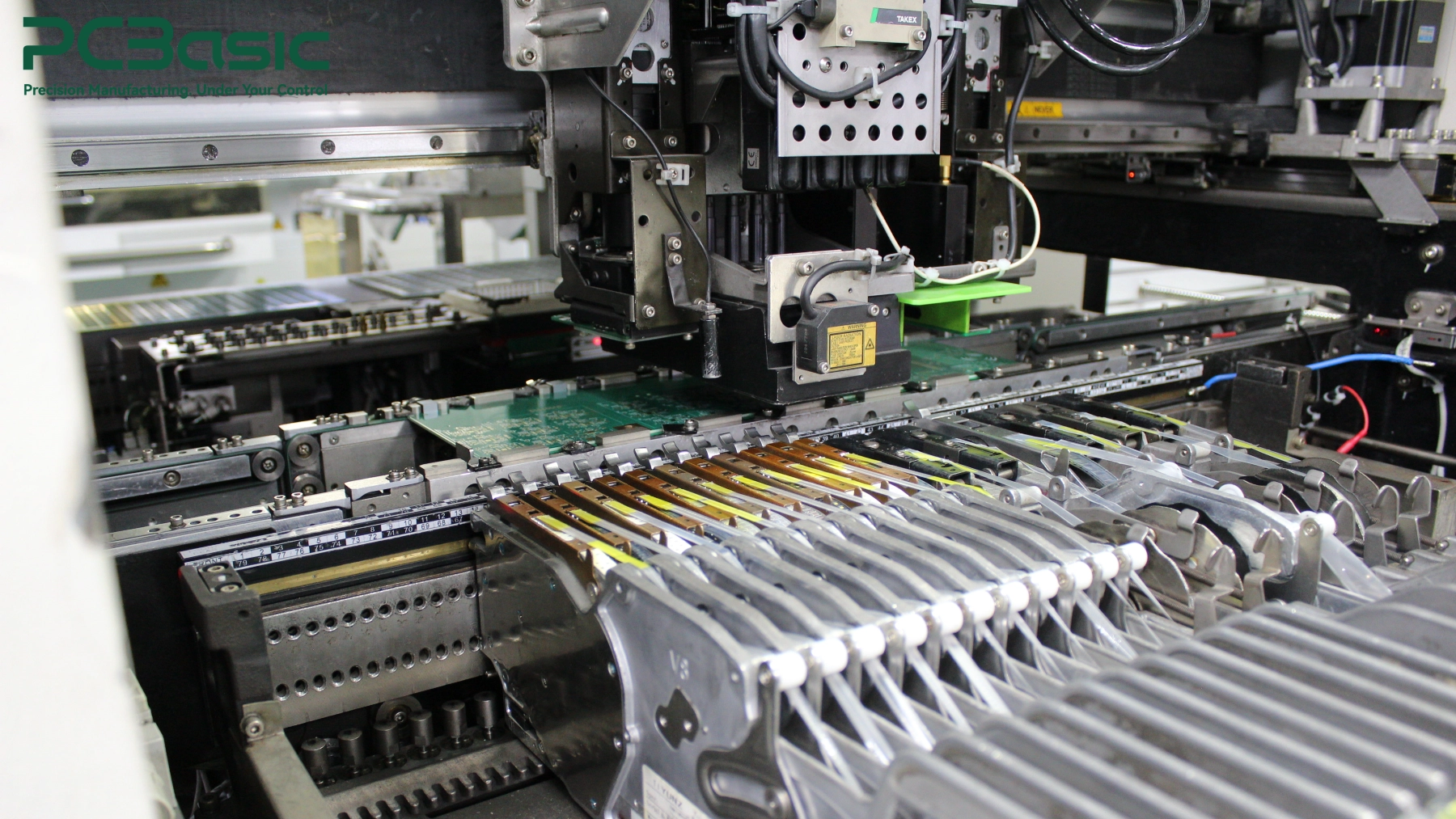
For through-hole components, the type of soldering method to be used depends on the specific design. Selective soldering, wave soldering, or manual soldering can be chosen. When performing rigid-flex PCB assembly, the factory will configure support fixtures according to the board shape to avoid damage to the flexible areas during processing.
After soldering, the factory arranges cleaning, conformal coating, programming, and mechanical assembly according to the project requirements. Before coating, the contact points and sensing areas that need to remain exposed should be shielded.
The first-article confirmation will check whether the actual assembly results are consistent with the production documents. The subsequent small-batch trial production is used to observe which defects recur, which operations require rework, and whether the fixtures are stable. After the team addresses these issues and confirms the improvement effects, they will expand the production volume of medical device PCBA manufacturing.
Before medical device PCBA manufacturing starts, the customer and the manufacturer need to first confirm: what standards will be used for acceptance and testing, what are the test limits, and what records will be provided upon delivery. How to handle non-conforming boards and who will approve rework or changes should also be clearly stated in advance.
When choosing ISO 13485 PCB assembly services, buyers need to review the business and production sites covered by the certificate. The ISO 13485 certification is for the quality management system and does not mean that the circuit boards or finished medical device have obtained product approval. The acceptance requirements for the IPC workmanship class used in the project should also be clearly defined by both parties, and cannot be judged merely based on "medical use".
For medical PCB assembly, the items to be checked depend on the structure and function of the circuit board. Different methods have their own advantages, and we need to use them in combination.
|
Method |
Main Inspection Contents |
|
SPI |
Volume, shape, and position of solder paste before placement |
|
AOI |
Visible placement and soldering defects of components |
|
X-ray |
Hidden solder joints beneath BGA and other devices |
|
Flying probe or ICT |
Specified electrical characteristics and connections |
|
Functional testing |
Operation performance under specified conditions when powered on |
When testing medical device PCBA, engineers must clearly define the input signals, loads, and qualified ranges. For example, the patient monitor board can be connected to analog sensor signals to check if the response meets the requirements. The control board may need to check the output and alarm functions.
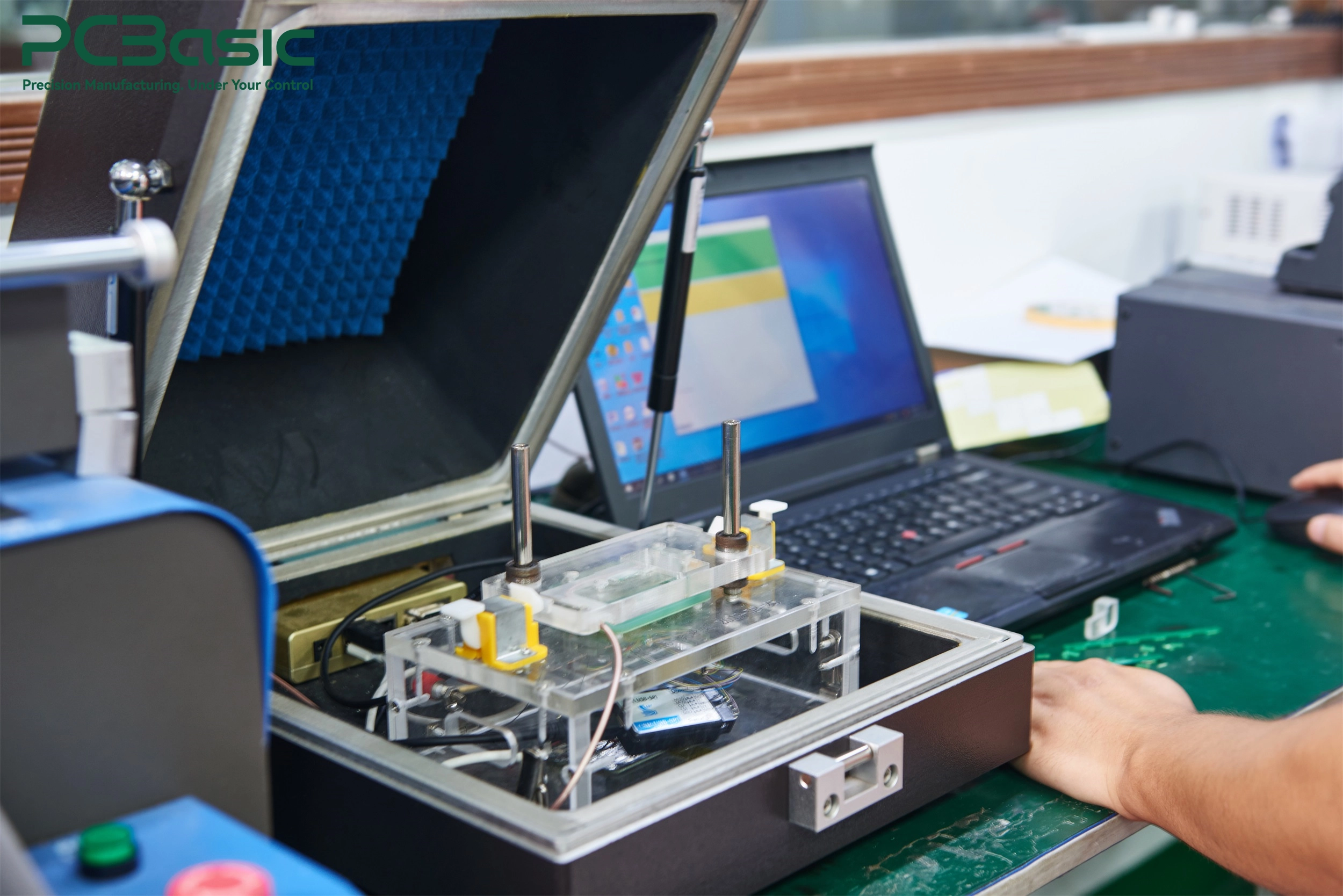
The test coverage should be determined as early as possible. When necessary, we will arrange environmental or reliability testing. Board-level testing can provide some verification evidence, but the complete device still needs to complete the corresponding verification and confirmation.
Medical PCBA traceability should enable the team to trace back from a board or a batch to the relevant production records, including:
• PCB revision, work order, and component batch.
• Firmware and test program version.
• Inspection, test results, and rework records.
If the supplier discovers any problems with a certain batch of components, the factory can then identify the affected boards. Whether it is necessary to trace back to the batch or the individual board, as well as which records need to be kept, should be confirmed before production.
When replacing components or updating firmware, we also need to check whether the assembly instructions and test procedures need to be adjusted. After the changes are approved, the documents should be updated, and it should be noted from which batch the implementation begins. In repeat orders, we can clearly know which version to use for production.
PCBasic can arrange SPI, AOI, 3D X-ray inspection, as well as electrical and functional testing according to project requirements, and supports medical PCB assembly. The self-developed MES system can help link materials and production records, and support medical PCBA traceability.
In high-density medical PCBA, densely placed components may block the test points and also increase the difficulty of rework. Engineers should check the component spacing and fixture space in advance.
For rigid-flex PCB assembly, it is also necessary to confirm the installation method and ensure that the assembly is supported by the fixture and the operation is standardized to avoid the flexible areas being pulled or overly bent.

Contamination residues on medical device circuit boards, incorrect installation of filter components, or poor shielding connections can all affect performance. Factories should clean and inspect as required, and test the agreed wireless communication functions. Board-level inspections cannot replace the necessary complete device EMC testing.
Applying conformal coatings does not mean they are waterproof or resistant to sterilization. Customers should provide advance information on cleaning agents and sterilization conditions for both parties to evaluate the materials and processes.
Medical device PCBA manufacturing may encounter component out-of-stock or extended delivery periods. The purchasing team should identify supply risks in advance and only use alternative materials after they have been approved.
Before expanding production, the team should identify repetitive defects, frequent rework, and unstable fixtures through pilot production. When choosing medical PCB assembly services, one can combine production records and pilot production results to understand how the supplier addresses these issues.
Reliable medical device PCBA relies on controlled materials, consistent assembly processes, and clear testing requirements. Production records and approved changes help maintain this consistency in repeat orders.
For projects involving multiple circuit boards, PCBasic can integrate circuit board assembly, wiring harness, and complete assembly services, reducing the handover between different suppliers. According to approved requirements, it can also provide programming, conformal coating, and testing services.
Planning your next build? Send PCBasic your PCB files, BOM, and test requirements to discuss medical PCB assembly services and request a quote.
Q1: How does a medical PCB differ from a medical device PCBA?
A PCB is the bare board. Medical device PCBA includes the electronic components assembled onto it.
Q2: Does every medical board need rigid-flex construction?
No. Rigid-flex PCB assembly suits particular mechanical requirements. Conventional rigid boards remain suitable for many medical instruments.
Q3: What should buyers check beyond ISO 13485 certification?
For ISO 13485 PCB assembly, review the certificate scope, process controls, test coverage, and agreed medical PCBA traceability requirements.
Q4: What files are needed for a quotation?
Provide fabrication files, the BOM, placement data, assembly drawings, quantities, and delivery requirements. Include programming and testing instructions when applicable.
Assembly Enquiry
Instant Quote


Phone contact

+86-755-27218592
In addition, we've prepared a Help Center. We recommend checking it before reaching out, as your question and its answer may already be clearly explained there.
Wechat Support

In addition, we've prepared a Help Center. We recommend checking it before reaching out, as your question and its answer may already be clearly explained there.
WhatsApp Support

In addition, we've prepared a Help Center. We recommend checking it before reaching out, as your question and its answer may already be clearly explained there.
