
Global high-mix volume high-speed PCBA manufacturer
9:00 -18:00, Mon. - Fri. (GMT+8)
9:00 -12:00, Sat. (GMT+8)
(Except Chinese public holidays)





HomePage > Blog > Knowledge Base > Aluminum PCB: Types, Structure, Challenges and Material
The problem of heat generation is also becoming more prominent as electronic products are becoming smaller and more powerful in their functions. The issue of thermals has become crucial in the design of printed circuit boards. Standard FR-4 boards are enough for most common uses, but they do not perform well in high-heat environments such as high-power LEDs, power modules, automotive electronics, or industrial control systems. Aluminum PCB technology has provided a better, robust, and practical option for these demanding applications.
In simple terms, an aluminum PCB is a kind of metal core circuit board; its characteristic is that it dissipates heat very quickly. Its structure typically consists of a copper circuit layer, a thermally conductive dielectric layer and an aluminum base. Heat can be rapidly transferred from components to the aluminum layer and spread out later, which not only enhances heat dissipation but also strengthens the board's strength and makes the product's lifespan more stable.
Today, if engineers need better thermal performance but do not want to spend on overly expensive solutions, they usually choose aluminum core PCB first. Aluminum offers a relatively balanced compromise between heat dissipation, weight, processability and cost, while other metal substrates cannot meet this requirement. So, it is widely used in high-power spots such as LED, power supplies, motor control and automotive electronics.
This article will guide you through a complete understanding of aluminum PCBs from the very beginning, including their types, structure, differences from ordinary PCBs, as well as how to make material selection and the design rules. It will also contain the manufacturing process, common processing challenges, and quality testing methods that need to be paid attention to.

An aluminum PCB is a type of printed circuit board where the "substrate material" is replaced with metal. In most cases, this substrate is an aluminum-based material (aluminum substrate), which not only provides structural support but also helps quickly dissipate heat. Because of this, the heat generated by components can pass from the copper circuit layer, through the dielectric layer, and quickly reach the aluminum base and spread out.
This type of board has many other names, such as aluminum core PCB, insulated metal substrate PCB, MCPCB, or metal circuit board. Although the names are different, the essence is the same: replace the original non-metallic base with a metal layer that has better thermal conductivity.
The structure of a typical metal core circuit board is actually quite simple. It consists of three layers:
• Copper Circuit Layer
• Thermally Conductive Dielectric Insulation Layer
• Aluminum Base Layer
In scenarios where temperature sensitivity is a factor, using aluminum PCB can significantly enhance performance and reliability.
Aluminum PCBs come in various types, and each type is suitable for different design requirements.
This is the most common and simplest type of aluminum PCB. All the components are placed on one side, and the circuit has only one copper layer. This type of board is commonly used in products such as LED lights and power supplies that are sensitive to cost but also have certain thermal application requirements.
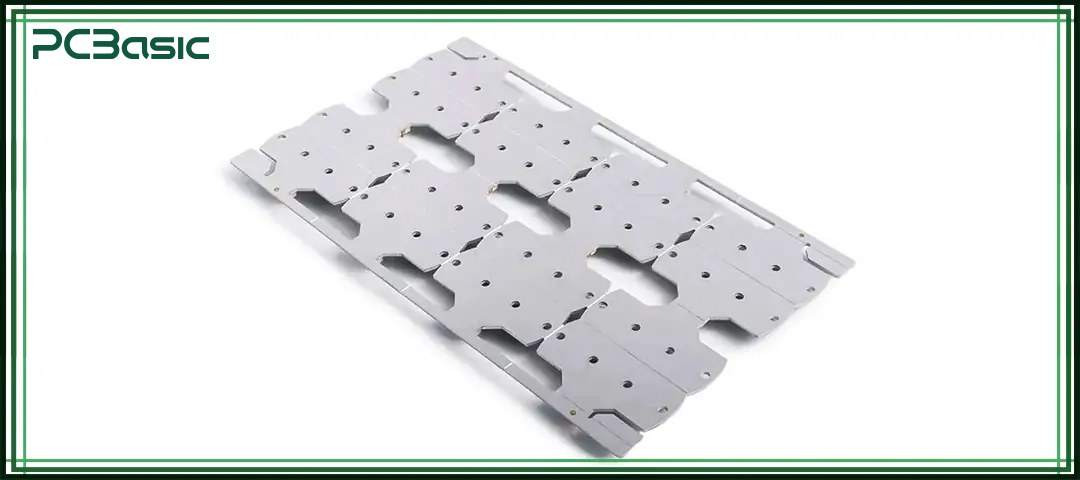
Double-layer aluminum core PCB has two copper layers and is easier to route traces, and has more design space. It is suitable for products with slightly more complex circuits while also requiring good heat dissipation performance.
Multilayer designs are more difficult to fabricate and have higher processing requirements compared to ordinary FR-4 multilayer boards. They are usually used only when the circuit is very complex, more wiring is needed, or functional integration is required.
In practical projects, due to the high manufacturing difficulty and cost, multilayer metal circuit boards are not very common.
When a single-sided structure cannot accommodate the circuit, engineers will consider using a double-sided design. However, this type of board is more complex to manufacture, especially in terms of insulation and hole treatment, which require higher standards.
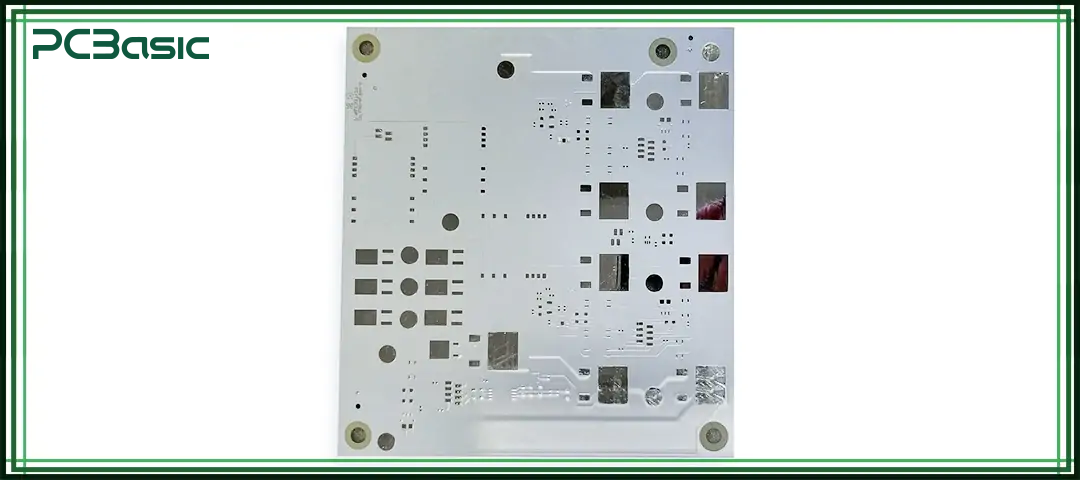
The hybrid structure involves combining FR-4 layers with an aluminum base. This design not only facilitates the implementation of complex circuits but also ensures excellent thermal performance. It is appropriate to use this hybrid board when a product requires both complex wiring and good heat dissipation.
This type will apply dielectric materials with better thermal conductivity, especially designed to improve the result of heat dissipation. It is typically used in high-power LEDs, industrial power modules, and environments with high-demand thermal.
In radio frequency and communication systems, some producers will choose low-loss dielectric materials and combine them with aluminum bases. These circuit boards can not only make sure signal performance but also achieve effective thermal control.
This is quite a special solution that combines flexible materials with an aluminum-related thermal structure. This design is not common and usually requires a higher cost.
The structure of the aluminum PCB is not complex, but every layer has its own function, and the whole thing won't be carried out without any of them.
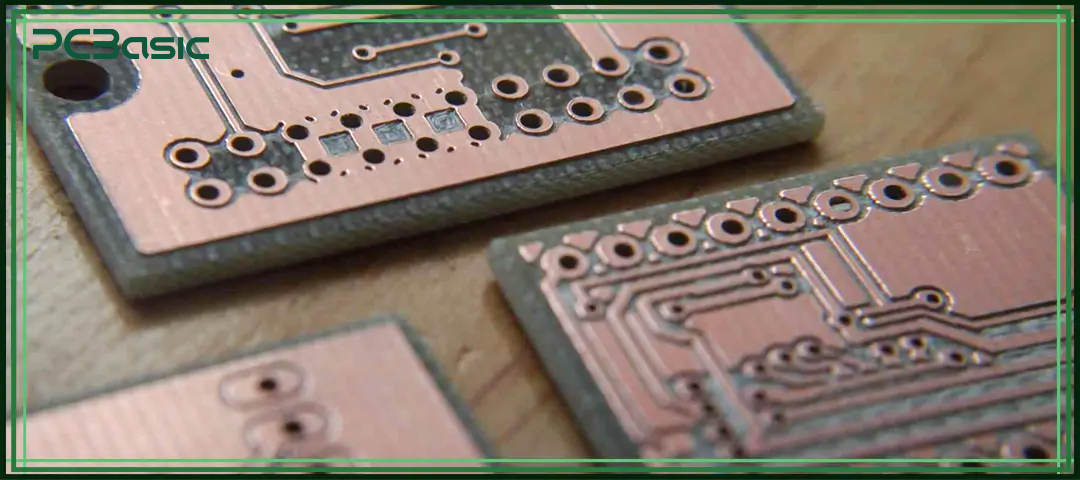
This is the topmost conductive layer, which is used for traces, pads, and component connections. According to the application, the copper thickness typically ranges from 1 oz to 3 oz or even higher. The thicker the copper, the greater the current it can cope with, and it is also more helpful for heat spreading.

The dielectric layer is one of the most crucial layers in an aluminum core PCB. On the one hand, it separates the copper layer from the aluminum base to ensure electrical insulation; on the other hand, it needs to allow heat to pass through smoothly. The dielectric layer's thermal conductivity, thickness, and breakdown strength all directly influence the performance of the whole board.
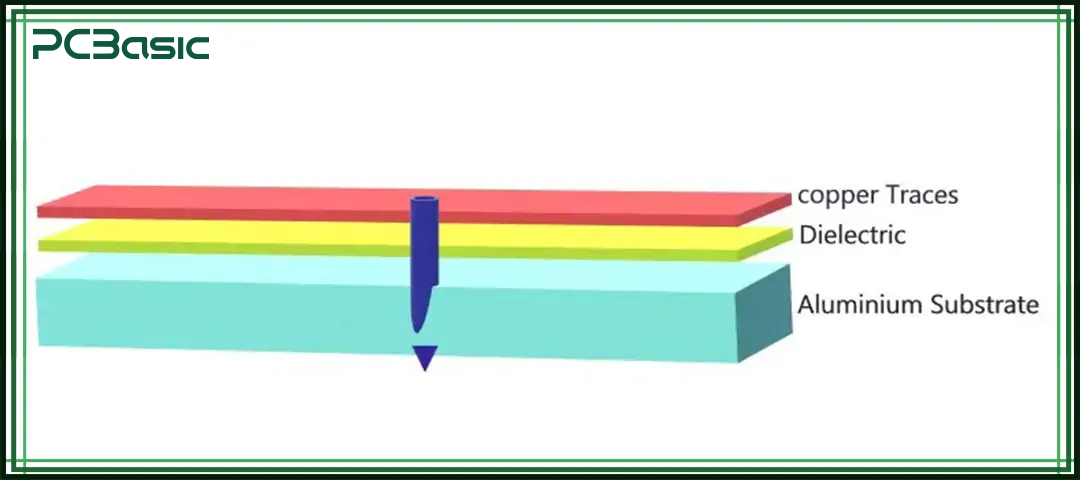
The aluminum base layer is mainly responsible for heat dissipation and provides support for the circuit board. It can quickly take away the heat generated by the components and maintain the dimensional stability of the board. Different aluminum alloy grades can be selected, such as 5052, 6061 or 1060, according to different cost and performance requirements.
In some designs, an additional protective film is added to cover the aluminum surface, preventing scratches, corrosion or processing damage from accidents.
It is exactly this simple yet efficient structure that makes metal core circuit boards great for practical use in power supply and thermal management applications.
The greatest advantage of aluminum PCB is its outstanding heat dissipation. Compared with ordinary FR-4, it can take away the heat from components more quickly, therefore reducing the junction temperature, enhancing reliability, and allowing the product to have a longer lifespan.
Another obvious advantage is mechanical strength. The aluminum substrate is harder and more sturdy, and is more durable than many traditional PCB materials. It is especially suitable for use in industrial and automotive products that employ vibration or mechanical shock.
In terms of weight, aluminum also has merit. It is lighter than copper and many structural metals, thus maintaining strength without significantly increasing weight.
Moreover, it is also environmentally friendly because aluminum is recyclable.
Although aluminum PCB technology has many strengths, not all products are suitable for it. Compared with the ordinary FR-4 circuit board, it usually costs more, especially for some low-power products. It may not be a cost-effective choice if the requirement for thermal benefits is not high.
There is also a limitation in terms of routing flexibility. If the circuit is very complicated and requires multilayer routing, then using multilayer FR-4 circuit boards would be more appropriate.
Besides, it has higher requirements in terms of processing and assembly. Processes such as drilling, soldering, and surface treatment all need to be controlled more strictly. So, it is vital to find an experienced aluminum PCB manufacturer.
Time is money in your projects – and PCBasic gets it. PCBasic is a PCB assembly company that delivers fast, flawless results every time. Our comprehensive PCB assembly services include expert engineering support at every step, ensuring top quality in every board. As a leading PCB assembly manufacturer, we provide a one-stop solution that streamlines your supply chain. Partner with our advanced PCB prototype factory for quick turnarounds and superior results you can trust.
Compared with ordinary FR-4 circuit boards (FR-4 PCBs), aluminum PCBs have better thermal conductivity and are more sturdy. FR-4 is more suitable for general electronic products, digital circuits, and multilayer designs where heat is not the primary concern. What’s more, it is easier to process and has a lower cost.
However, if the product generates a great amount of heat, FR-4 usually requires the addition of thermal vias, external heatsinks, or even more complex structures. Even so, the heat dissipation result may still not be satisfactory.
The aluminum core PCB was originally designed for heat dissipation. It directly incorporates heat spreading into the circuit board structure, eliminating the need for additional heat dissipation designs and making the overall structure of the device simpler.
However, for low-power, high-density or multilayer signal applications that require complicated multilayer wiring, ordinary PCBs are still more suitable. Ultimately, whether to choose FR-4 or metal circuit boards depends on the thermal requirements and electrical specifications of the product itself.
In aluminum PCB manufacturing, material selection is of utmost importance. It directly influences the heat transfer efficiency, the mechanical reliability of the board, the electrical insulation performance, and the overall cost.
Common aluminum alloys include 5052, 6061 and 1060. Generally speaking, 6061 has better mechanical performance, but sometimes other types are chosen based on their cost or availability.
In addition, the aluminum substrate thickness is also crucial. The thicker the substrate, the stronger the structural support, and it is also more favorable to heat spreading.
The dielectric layer needs to balance both thermal conductivity and electrical insulation. Commonly used materials include epoxy resin, glass fiber prepreg, polyimide, and polyolefin-based materials. For high-power applications, we usually give priority to dielectric materials with better thermal conductivity.
A thinner dielectric layer can reduce thermal resistance and improve heat transfer. However, if it is too thin, the electrical safety margin will decrease, and the requirements will be higher on manufacturing tolerance.
The copper thickness should be selected according to the actual current load and thermal spreading requirements. For low-power circuits, 1 oz is usually sufficient. If the current is relatively high, 2 oz or 3 oz would typically be chosen.
Common surface finishes include HASL, ENIG and OSP. The choice of which one to use depends on factors such as solderability, flatness, corrosion resistance and your budget.
Additionally, the quality of material selection can actually reveal the level of an aluminum PCB manufacturer. If the materials are not chosen well, even the best design and process cannot guarantee the success of the board production.
When designing an aluminum PCB, the first thing to consider is thermal analysis, rather than just focusing on how the circuits are connected.
The first step is to calculate the power dissipation of the components, the ambient temperature of the usage environment, and the allowable temperature rise. These factors will directly determine the thermal resistance target of the board.
Second, the thermal path should be as short as possible. High-power components should be mounted in a position where heat can directly pass through the dielectric layer to the aluminum base.
Thirdly, the copper layout is crucial. Making the traces wider, appropriately applying copper pours, and adding complete thermal pads all effectively help to distribute the current and heat.
Fourth, the mounting design should also be considered in advance. If the board is to be installed on a heatsink or the chassis, elements such as screws, thermal pads, insulation films, and adhesive zones need to be planned during the design stage.
Fifth, the dielectric thickness and the material conductivity should be chosen properly. If the dielectric material selection is inappropriate, the circuit may be carried out well, but the heat dissipation might be an issue.
Finally, it is recommended to conduct thermal simulation and prototype validation. Even though the design seems fine, it is necessary to confirm through actual thermal measurement to guarantee its reliability.
The manufacturing process of aluminum PCB shares some similarities with that of ordinary PCBs, but in the process of metal base treatment and dielectric lamination, it requires higher standards and stricter control.
1. Material Preparation
First, cut the aluminum sheet, clean it completely and perform the necessary pre-treatment. Then, according to the design requirements, select the copper foil and dielectric material.
2. Lamination
The dielectric layer and copper foil are pressed and bonded onto the aluminum base under controlled temperature and pressure. This step is very important; if the lamination is not done well, both thermal performance and reliability will be influenced.
3. Circuit Imaging and Etching
Create the designed copper pattern and then process etching on it. If using thick copper, line width compensation is usually required as well, or the dimensions may not be accurate.
4. Drilling and Mechanical Processing
Carry out drilling holes, routing and V-CUT (V-cut) processing. It is necessary to carefully control the tool selection and speed control because the processing methods for aluminum and FR-4 are different.
5. Solder Mask and Silkscreen
First, apply a layer of solder mask, and then print the required markings and labels onto it.
6. Surface Finish
The circuit board will undergo a final surface treatment to make it easier for soldering and also provide protection.
7. Electrical Testing and Inspection
A series of inspections will be performed, such as open/short testing, visual inspection, and dimensional check, to guarantee that the product passes the basic quality verification.
For the prototyping stage, aluminum PCB prototyping is a key step. It allows for the preliminary verification of the actual heat performance and then decides whether to proceed with mass production or not.
Each metal core circuit board must undergo quality verification before leaving the factory, which is a basic requirement.
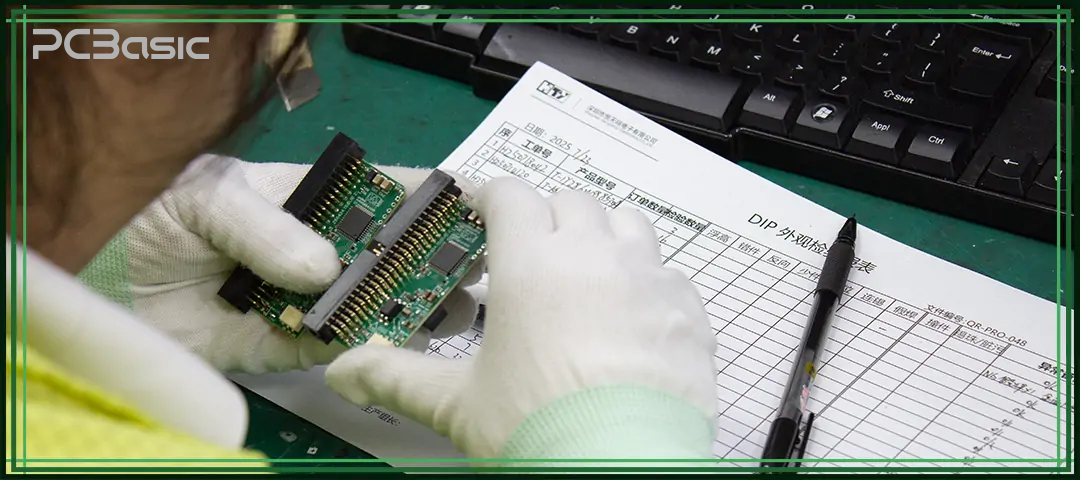
Issues should be checked on the surface of the circuit board, such as scratches, oxidation, pits, contamination, burrs, and solder mask defects.
Performing open and short circuit tests is done to verify whether the copper circuitry has any errors, such as incorrect connections, open circuits, or short circuits.
Performing high-temperature testing means checking whether the circuit board can bear thermal stress without experiencing issues such as delamination, blistering, or solder mask failure when exposed to heat.
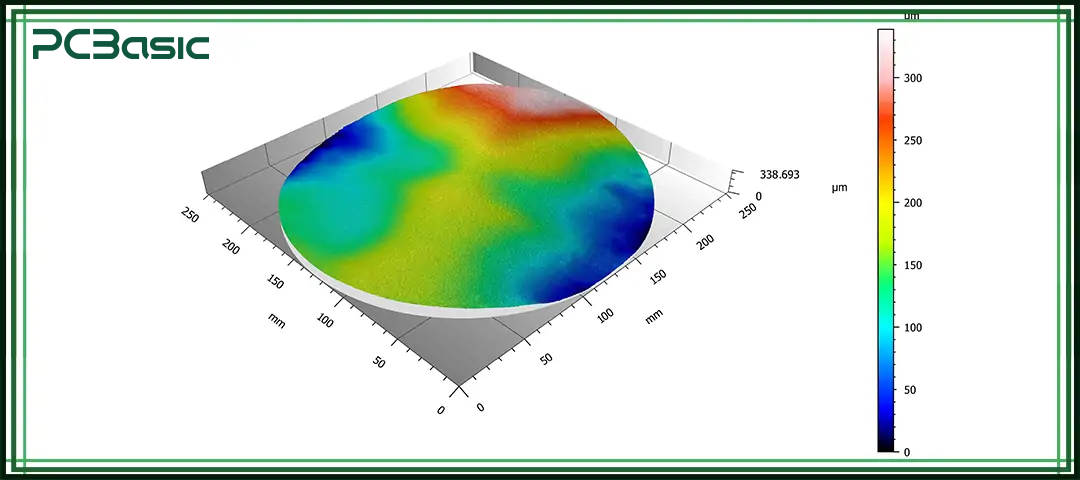
It is necessary to make sure the flatness of the circuit board is properly maintained so that the subsequent assembly and system integration processes will be smooth.
High-voltage testing is usually required to confirm the reliability of insulation for power and communication products.
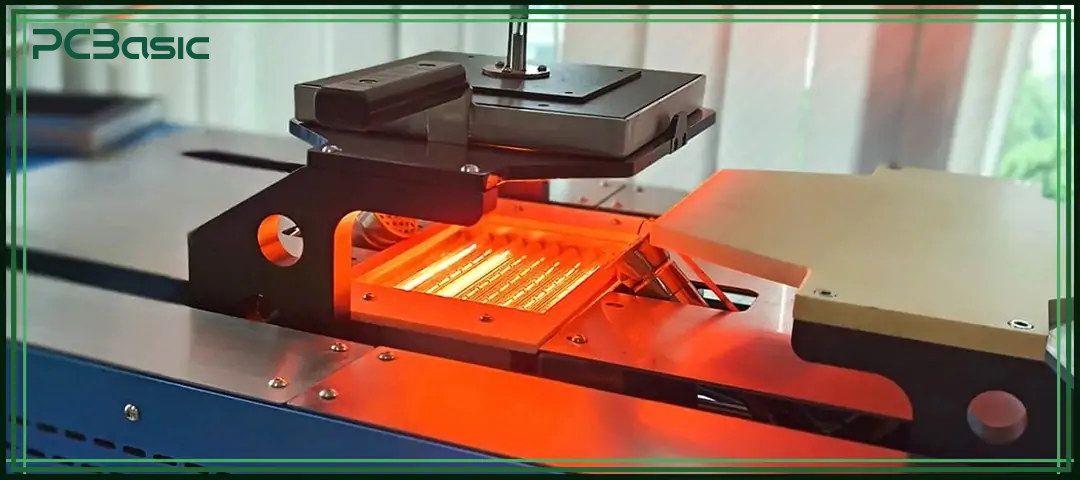
By conducting thermal resistance testing and conductivity testing, it is possible to confirm whether the actual performance of the circuit board achieves the requirements set during the design process.
During many development stages, when conducting aluminum PCB prototyping, it is best to conduct thermal imaging or thermocouple testing under actual working conditions to evaluate how heat dissipation performs.
Due to its outstanding thermal and mechanical advantages, aluminum PCB technology is widely employed in many industries.
It is widely used in LED lighting such as street lights, car headlights, spotlights, and industrial work lights. In power electronics, it is commonly found in DC-DC, AC-DC power supplies, inverters, and motor drives. In automotive systems, it is employed in control modules, regulators, and lighting circuits. In industrial equipment, it is applied to automation equipment, power modules, and motor control products. In addition, it can also be applied in audio amplifiers, communication devices, and some computer-related power assemblies.
In these applications, the aluminum substrate can effectively dissipate heat more efficiently than ordinary circuit boards.

The principle is not complex, but during the manufacturing of an aluminum PCB, there are still many challenges.
During the processing, the aluminum surface is easily apt to scratches, oxidation or contamination. Thus, during the operation, one must focus on the handling method and take proper protection measures.
When using thick copper, it becomes more challenging to precisely control the trace width after etching.
If the height difference between the thick copper area and the surrounding area is too large, the solder mask adhesion will be influenced and also deteriorate the printing quality.
Aluminum is more "abrasive" to cutting tools compared with FR-4. If drilling or routing is not done properly, it is prone to producing burrs, which can then affect electrical insulation and even the high-voltage reliability.
It will simultaneously affect both the thermal performance and the electrical performance if the dielectric layer is uneven in thickness or conductivity.
During assembly, due to the thermal mass of the circuit board being greater, the parameters of reflow soldering usually need to be adjusted.
Because of this, choosing an experienced aluminum PCB manufacturer is crucial.
Aluminum PCB is a very practical solution, especially suitable for products that need both good heat handling and mechanical strength as well as long-term reliability. It is composed of copper layers, dielectric layers, and aluminum bases. This structure gives it strength over FR-4 in high-power applications.
From single-sided LED boards to more complex power modules, many engineers will choose aluminum core PCBs when it is necessary to enhance the thermal performance while avoiding overly expensive solutions. However, whether the result is good or not depends on whether the design, material selection, controlled manufacturing process, and testing are well done.
Whether you are conducting a new product evaluation, preparing for aluminum PCB prototyping, or looking for a mass production supplier, choosing the right reliable aluminum PCB manufacturer is the key.
The other party needs to truly understand dielectric selection, thermal design, process challenges and quality control. When used in the appropriate scenarios, a well-designed metal circuit board can make the product performance more stable, have a longer lifespan and better overall reliability.

Assembly Enquiry
Instant Quote

Phone contact

+86-755-27218592
In addition, we've prepared a Help Center. We recommend checking it before reaching out, as your question and its answer may already be clearly explained there.
Wechat Support

In addition, we've prepared a Help Center. We recommend checking it before reaching out, as your question and its answer may already be clearly explained there.
WhatsApp Support

In addition, we've prepared a Help Center. We recommend checking it before reaching out, as your question and its answer may already be clearly explained there.
