
Global high-mix volume high-speed PCBA manufacturer
9:00 -18:00, Mon. - Fri. (GMT+8)
9:00 -12:00, Sat. (GMT+8)
(Except Chinese public holidays)





HomePage > Blog > Knowledge Base > Mixed Technology PCB Assembly: A Complete Guide for Reliable PCBA Manufacturing
We all know that different components are needed when an electronic product is expected to allow complex functions. Such as the smart phone used daily. There are always parts like chip, battery, camera module connected to a PCB within a device. While difference between these components can lead to different ways of assembly. As with a cellphone’s assembly, chips are mounted directly onto the PCB. Larger, discrete units like the camera or battery, in contrast, require a connection to the main board through dedicated flex cables. Given their differing form factors and connection requirement, PCB assembly often needs a mixed-technology approach. Mixed technology PCB assembly is not only about surface mount technology and through-hole assembly. In many cases, the board may also go through selective soldering, wave soldering, manual soldering, inspection, cleaning, and functional testing.
In the PCBA industry, mixed technology PCBs are typically used in complicated products, requiring both compact circuit design and strong mechanical connections, which can place higher demands on the assembly process and the full production workflow. So, for buyers, choosing the right PCBA manufacturer can make the project much easier to manage. In the following sections, you will learn the key details of mixed technology PCB assembly and how to use these details to evaluate and select a suitable manufacturing partner.
Mixed technology PCB assembly refers to a PCB assembly process that combines different component mounting methods on the same printed circuit board. The most common combination is SMT assembly plus through-hole assembly.
Surface mount technology, or SMT, is used for components mounted directly onto the surface of the PCB. These components are usually small, lightweight, and suitable for automated production.
Common SMT components include:
Resistors, capacitors, diodes, ICs, QFNs, BGAs, SOT packages, LEDs, and small connectors.
The SMT process usually includes solder paste printing, SPI inspection, pick-and-place, reflow soldering, and AOI inspection. In a professional PCBA factory, SMT equipment such as JUKI pick-and-place machines, solder paste printers, SPI systems, reflow ovens, and AOI machines helps ensure placement accuracy and soldering consistency.
Through-hole technology is used for components with leads inserted into plated holes on the PCB. These components are often larger and stronger than SMT components.
Common through-hole components include:
Terminal blocks, transformers, relays, large capacitors, pin headers, connectors, switches, and high-current components.
Through-hole parts are often used when the product needs better mechanical strength, higher current capacity, or stronger reliability under vibration and stress. This is why many industrial, automotive, and power-related PCBAs still require through-hole assembly.
Even when a factory has wave soldering and selective soldering equipment, manual soldering is still important in mixed technology PCB assembly. Some components are heat-sensitive, irregular in shape, too close to other parts, or unsuitable for automated soldering.
This is also why a skilled post-soldering team is still necessary. Machines improve efficiency, but trained operators solve special process problems and handle exceptions that equipment cannot fully cover.
Mixed technology PCB assembly is widely used because electronic products need both high-density design and strong physical connections.
SMT components allow engineers to design smaller and more complex circuit boards. This is important for smart devices, communication products, control boards, and compact electronic modules.
Through-hole components provide stronger solder joints and better mechanical support. For connectors, switches, power terminals, and heavy components, through-hole assembly is often more reliable than SMT.
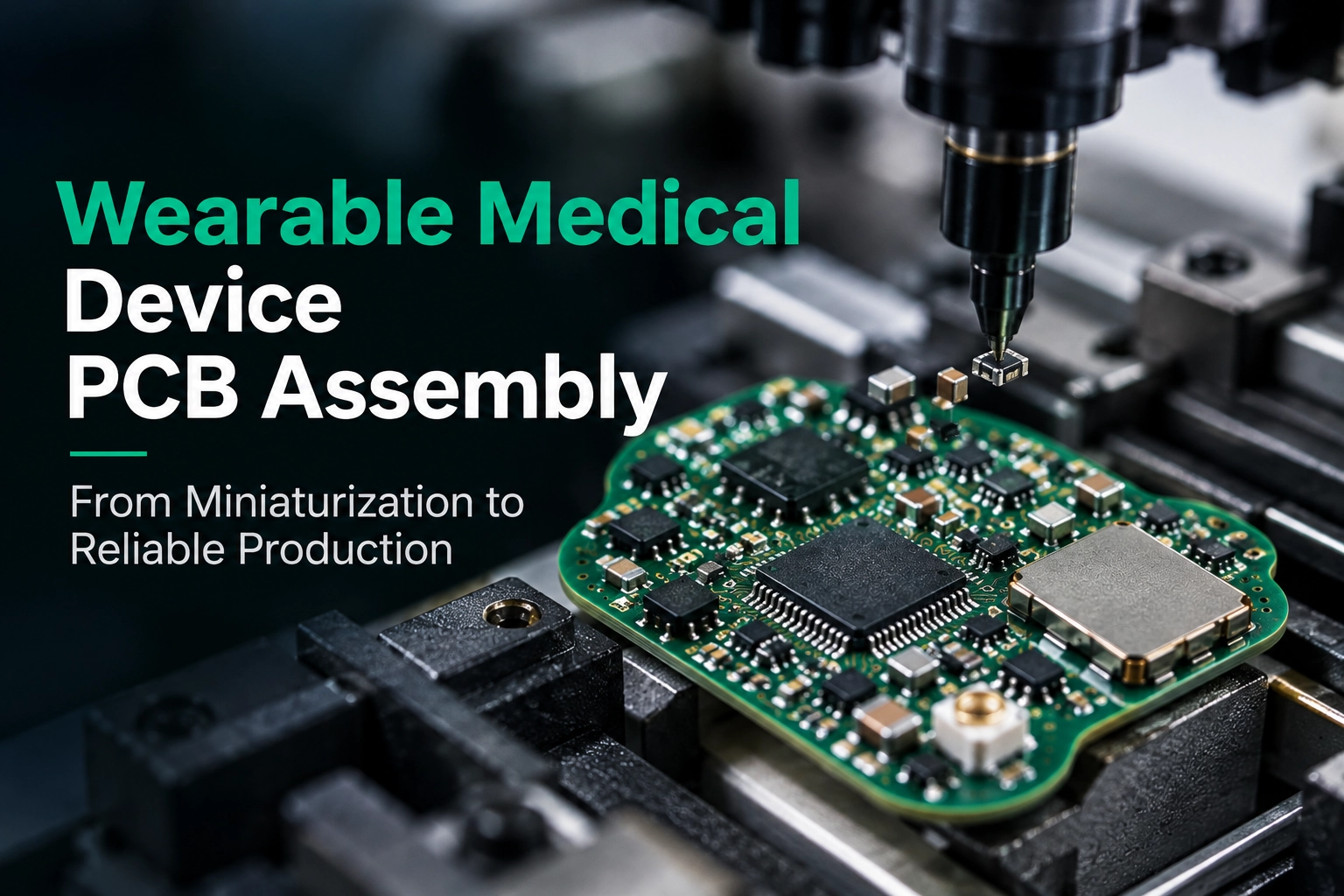
Many products need different types of components on one board. For example, a medical control board may include small ICs, sensors, connectors, relays, and power components. A mixed assembly process allows engineers to choose the most suitable package for each function.
Industrial and medical PCBAs often face vibration, heat, humidity, long operating time, and strict reliability requirements. Mixed technology can help balance electrical performance, mechanical strength, and product durability.
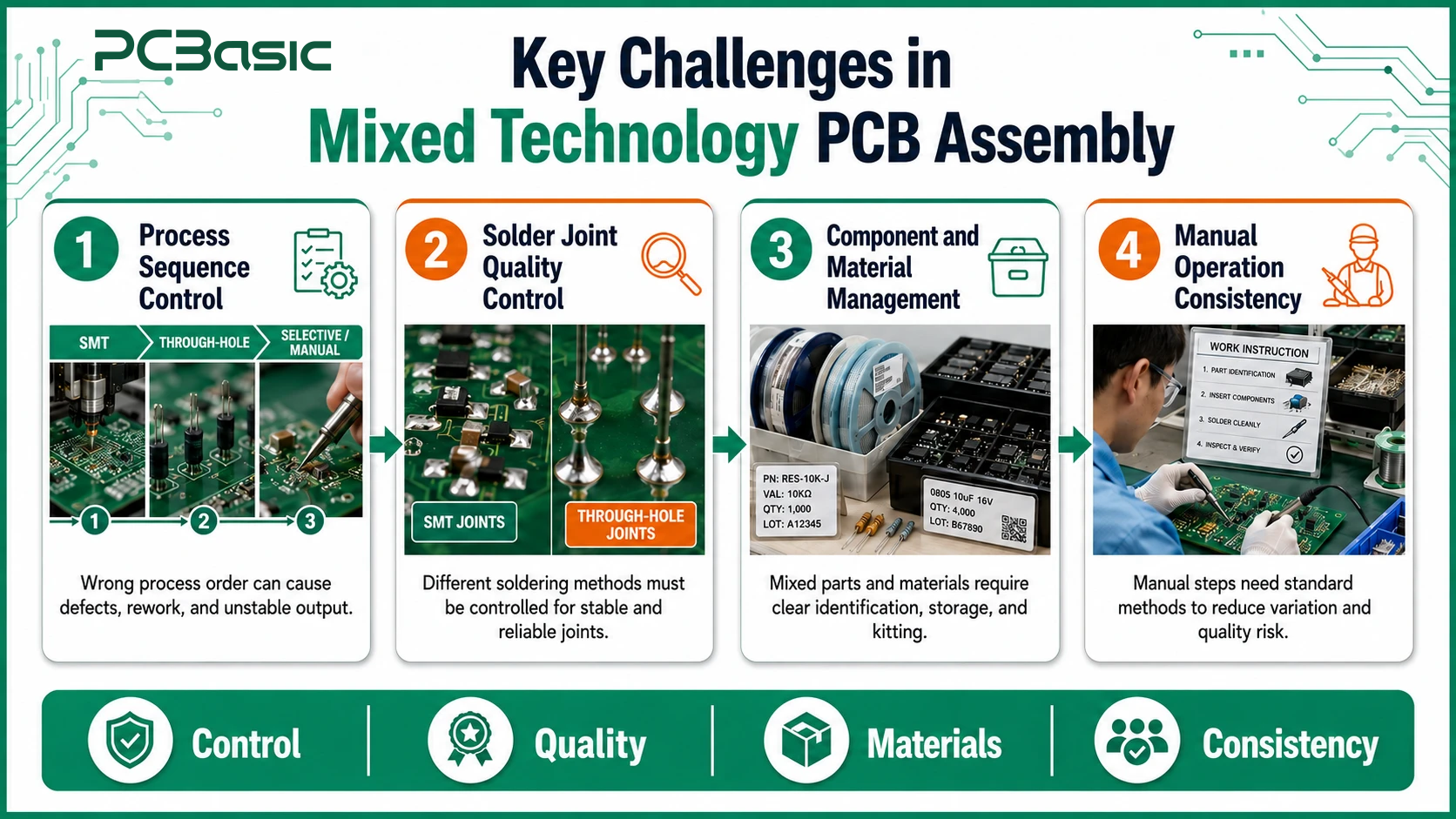
Mixed technology PCB assembly is more complex than standard SMT assembly. The difficulty is not only in the soldering process, but also in production planning and process control.
A mixed technology PCBA may go through multiple production steps, including SMT, reflow, AOI, through-hole insertion, wave soldering, selective soldering, manual soldering, cleaning, testing, and final inspection.
If the sequence is wrong, components may be damaged, solder joints may be affected, or rework may increase. For example, heat-sensitive components must be protected from excessive temperature. Large through-hole parts may block AOI inspection if they are inserted too early.
A professional manufacturer should review the BOM, Gerber files, component drawings, polarity requirements, soldering method, and inspection plan before production starts.
Different soldering methods bring different risks. SMT solder defects may include solder bridges, tombstoning, insufficient solder, component shift, polarity errors, and BGA soldering issues. Through-hole defects may include poor hole fill, cold solder joints, bridging, excessive solder, and weak wetting.
That is why mixed technology PCB assembly requires inspection at different stages instead of relying only on final testing.
Mixed technology PCBAs often involve many component types and packaging forms. Before production, the factory must check material quantity, MSL level, polarity, component value, package type, and BOM consistency.
For example, reel components can be counted by X-ray counting equipment, while loose components can be checked by weighing. These small details help reduce material shortage risks and avoid production interruption.
Manual soldering and post-soldering work must be controlled by clear standards. Without training and process instructions, different operators may produce different soldering quality.
This is why employee training, production discipline, and stable teams directly affect PCBA quality. Human-centered management is not only company culture. In manufacturing, it also supports quality consistency.

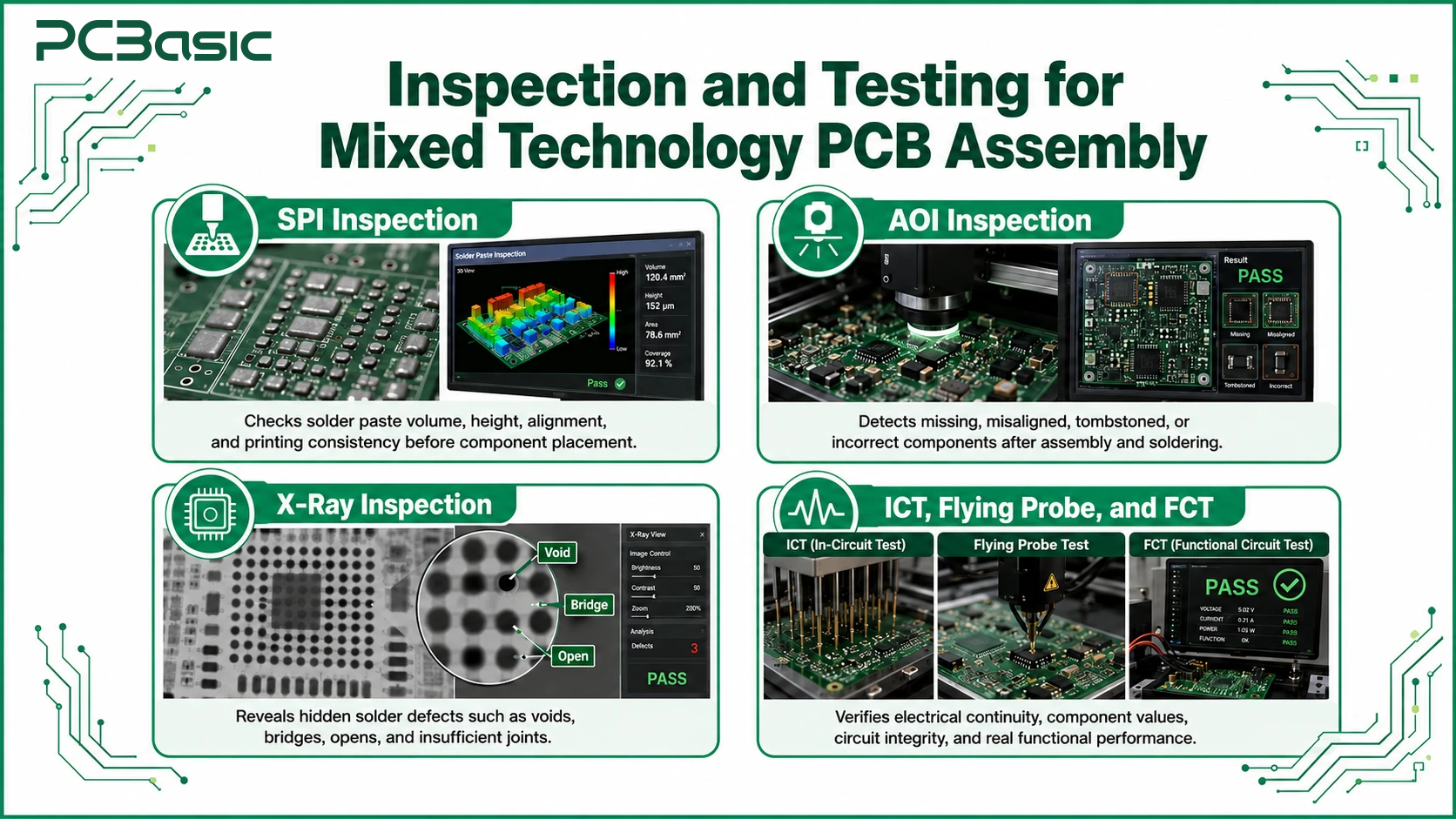
A reliable mixed technology PCB assembly process needs inspection before, during, and after production.
SPI, or solder paste inspection, is performed after solder paste printing. It checks solder paste volume, height, area, and offset.
This step is important because many SMT defects start from poor solder paste printing. If solder paste problems are detected early, the factory can fix them before components are placed.
AOI, or automated optical inspection, is usually performed after reflow soldering. It checks visible defects such as missing components, wrong direction, component shift, solder bridges, and insufficient solder.
For high-mix, small-batch, and prototype production, offline AOI can be especially useful because inspection programs need to change frequently. For stable batch production, inline AOI helps improve speed and consistency.
Some solder joints cannot be checked by AOI because they are hidden under the component body. BGA, QFN, and other bottom-terminated components usually require X-ray inspection.
X-ray can help detect hidden solder bridges, voids, insufficient solder, and solder ball problems. For mixed technology PCB assembly with BGA components, X-ray inspection is a key quality control step.
Electrical testing should be selected according to product stage and order volume.
Flying probe testing is suitable for prototypes, small batches, and products that may still change. It does not require a dedicated fixture, so it is flexible.
ICT is more suitable for stable designs and batch production. It checks electrical connections and component parameters through a fixture.
FCT, or functional testing, simulates real product operation. For some projects, an in-house FCT test platform can greatly improve testing efficiency. For example, customized functional test systems can reduce long manual testing time and improve data consistency.
However, testing should not be the only quality strategy. ICT, flying probe, and FCT are filters, not complete error-proofing systems. Real reliability comes from process control before defects reach the testing stage.
Traceability is very important for mixed technology PCB assembly because the process involves many steps, materials, operators, and inspection points.
A strong MES system can connect work orders, material information, process instructions, inspection records, testing data, and production status.
For complex mixed technology PCBAs, operators should not rely only on memory or verbal instructions. Special process requirements should be displayed clearly before production starts. This helps reduce mistakes caused by BOM changes, customer notes, engineering updates, or special soldering requirements.
Portable Data Assistant (PDA) scanning can connect production actions and photos with customer orders. For example, packaging photos or process records can be uploaded and linked to the order. This improves transparency and helps with after-sales analysis if a quality issue occurs.
For buyers, this kind of traceability means better control, better communication, and lower risk.

When choosing a mixed technology PCB assembly manufacturer, buyers should not only compare price. They should evaluate the factory’s full manufacturing capability.
For medical electronics, ISO 13485 is an important certification because it shows stronger quality management requirements for medical-related manufacturing. For other industries, buyers should also check whether the manufacturer has relevant quality systems and compliance experience.
Good equipment and stable materials help improve process consistency. Buyers can ask whether the factory uses reliable SMT equipment, solder paste brands such as Alpha, AOI, SPI, X-ray inspection, reflow ovens, wave soldering, and selective soldering equipment.
Equipment does not guarantee quality by itself, but it shows whether the manufacturer has the basic capability to handle complex PCBA projects.
A strong PCBA manufacturer should not only follow instructions. It should also be able to solve manufacturing problems.
For example, patents related to first-article inspection devices, MES system improvements, or production efficiency tools can show that a factory has practical innovation ability. These improvements often come from real production pain points.
Compared with manufacturing in higher-cost regions such as the United States, China-based PCBA manufacturers can often provide better cost-effectiveness. However, buyers should not choose only the lowest price.
A better choice is a manufacturer that can balance cost, quality, lead time, inspection capability, and engineering support.
For mixed technology PCB assembly, delivery risk may come from material shortage, process waiting time, manual soldering capacity, testing bottlenecks, or rework.
A reliable manufacturer should have clear production planning, material checking, MES tracking, and stable delivery control. Fast delivery is important, but delivery certainty is more important.
Time is money in your projects – and PCBasic gets it. PCBasic is a PCB assembly company that delivers fast, flawless results every time. Our comprehensive PCB assembly services include expert engineering support at every step, ensuring top quality in every board. As a leading PCB assembly manufacturer, we provide a one-stop solution that streamlines your supply chain. Partner with our advanced PCB prototype factory for quick turnarounds and superior results you can trust.
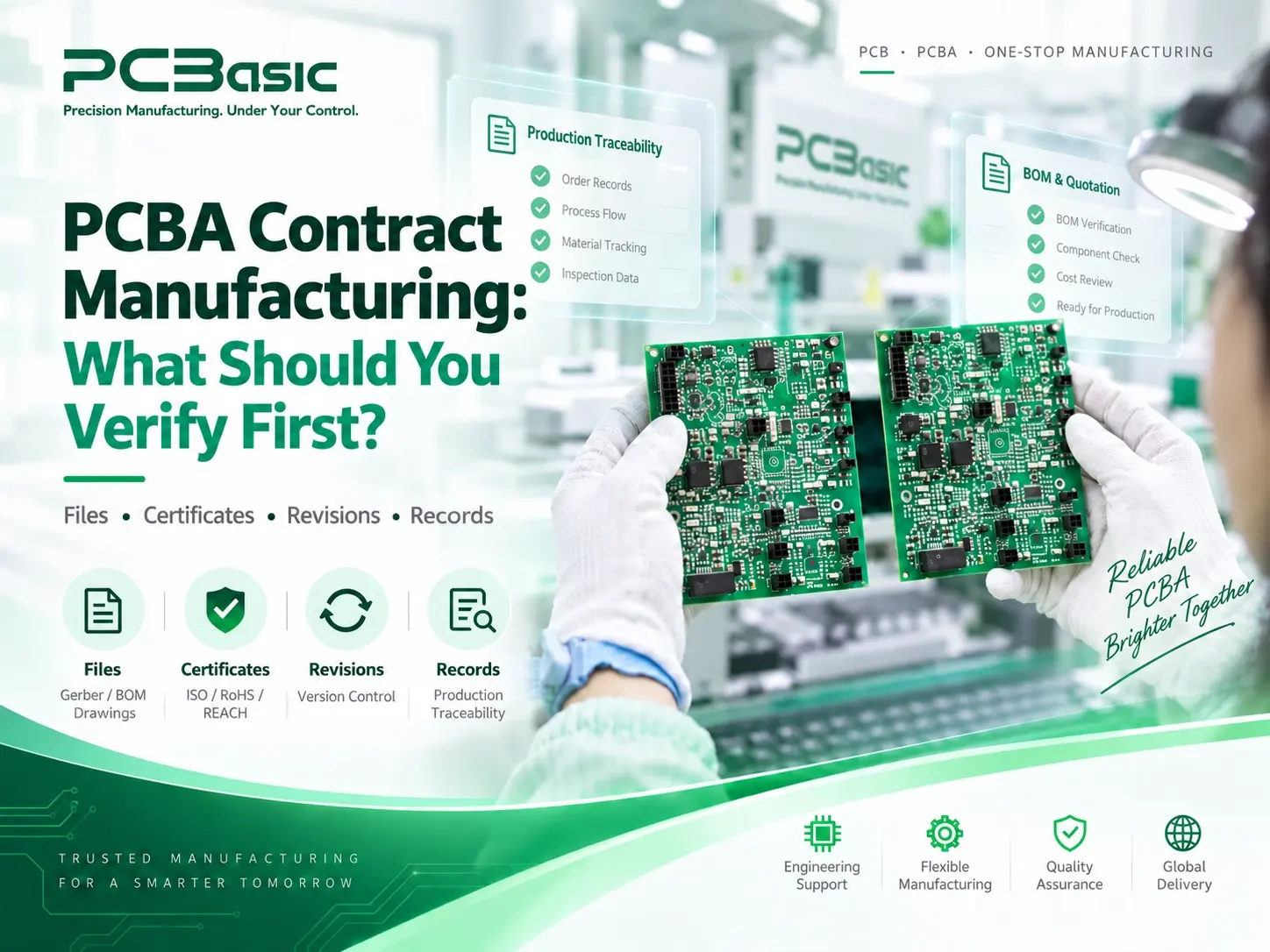
PCBasic provides mixed technology PCB assembly services for customers who need SMT assembly, through-hole assembly, testing, traceability, and one-stop PCBA manufacturing support.
The value of PCBasic is not only component soldering. It comes from complete process control, including material inspection, SMT production, SPI, AOI, X-ray inspection, through-hole assembly, functional testing, MES traceability, cleaning, final inspection, and packaging.
For high-reliability projects, PCBasic can support additional process requirements such as deionized water PCBA cleaning and protective packaging. For special boards, multi-layer protection such as bubble bag, ESD bag, and outer cushioning can help reduce static and transportation risks.
PCBasic also emphasizes continuous improvement. Patents, internal MES development, first-article inspection improvement, and production efficiency optimization reflect the company’s ability to solve real manufacturing problems. At the same time, staff training, welfare, incentive systems, and human-centered management help maintain a stable production team and consistent workmanship.
For buyers looking for mixed technology PCB assembly, PCBasic can be a suitable partner for projects that require cost-effectiveness, quality control, delivery certainty, and engineering support.
Mixed technology PCB assembly is more than combining SMT and through-hole components on one board. It is a complete manufacturing process that requires careful control of materials, soldering sequence, inspection methods, testing strategy, traceability, and delivery management.
For buyers, the right PCBA manufacturer should provide more than a low quotation. It should have suitable equipment, trained operators, strong inspection capability, reliable MES traceability, clear engineering support, and stable delivery control.
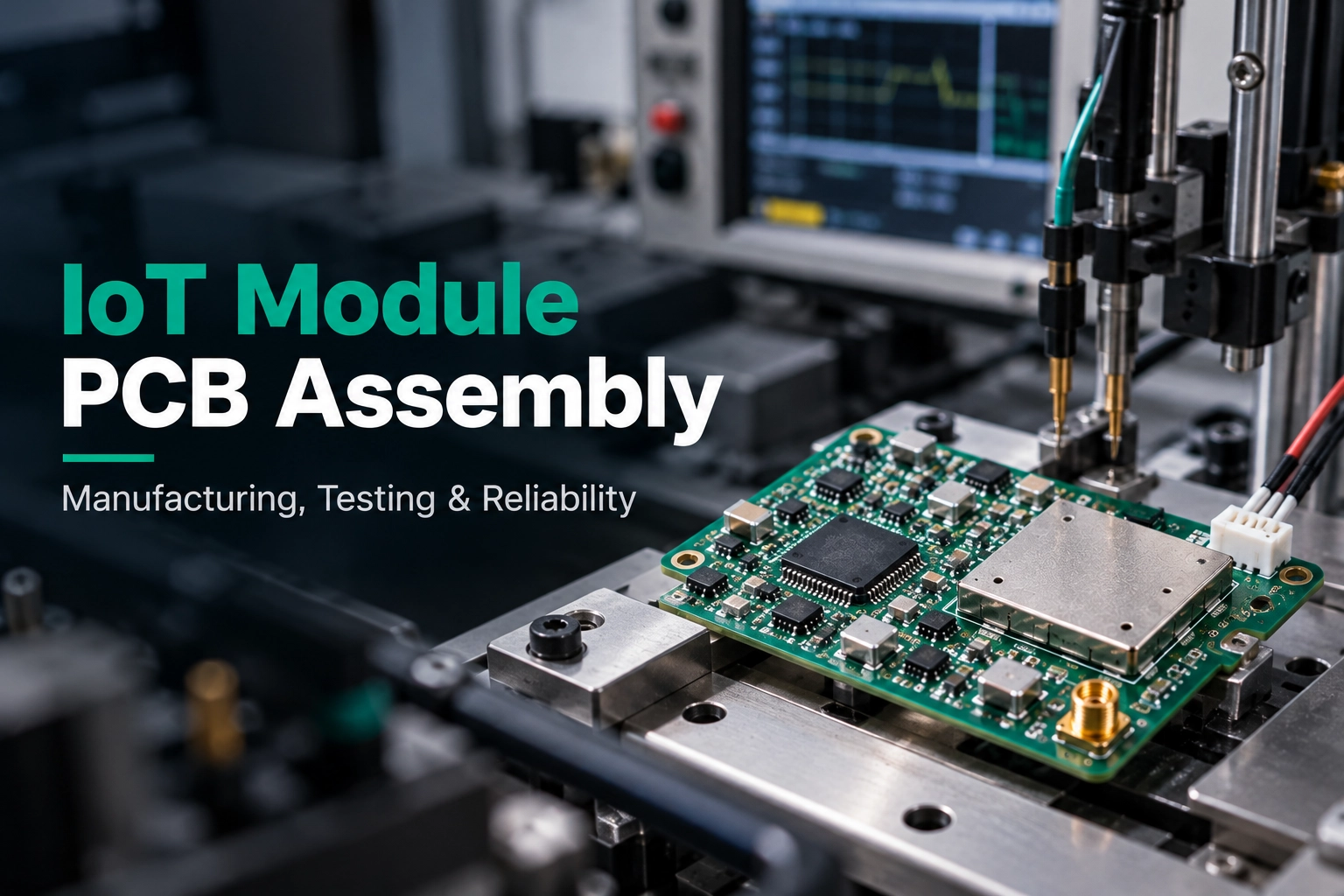
As electronic products become more complex, mixed technology PCB assembly will continue to play an important role in industrial, medical, automotive, communication, power, and IoT applications. Choosing an experienced PCBA manufacturer can help reduce risk, improve reliability, and support long-term product success.
Mixed technology PCB assembly means using more than one assembly method on the same PCB. It usually combines SMT assembly and through-hole assembly, and may also include wave soldering, selective soldering, manual soldering, AOI, X-ray inspection, ICT, flying probe testing, and FCT.
Usually, yes. Mixed technology PCB assembly may require more process steps, more manual work, more inspection, and more testing. However, the cost depends on board complexity, component types, order volume, testing requirements, and lead time.
Through-hole components are still used because they provide stronger mechanical support and better reliability for connectors, terminals, relays, transformers, switches, and high-current components. Many industrial and power products still need through-hole parts.
Common inspection methods include SPI, AOI, X-ray inspection, manual visual inspection, ICT, flying probe testing, and FCT. The right inspection plan depends on component type, board complexity, and product reliability requirements.
You should evaluate the manufacturer’s SMT and through-hole capability, equipment, inspection methods, testing ability, certifications, MES traceability, engineering support, lead time control, and experience with similar products. For medical projects, certifications such as ISO 13485 are especially important.

Assembly Enquiry
Instant Quote
Phone contact

+86-755-27218592
In addition, we've prepared a Help Center. We recommend checking it before reaching out, as your question and its answer may already be clearly explained there.
Wechat Support

In addition, we've prepared a Help Center. We recommend checking it before reaching out, as your question and its answer may already be clearly explained there.
WhatsApp Support

In addition, we've prepared a Help Center. We recommend checking it before reaching out, as your question and its answer may already be clearly explained there.
