
Global high-mix volume high-speed PCBA manufacturer
9:00 -18:00, Mon. - Fri. (GMT+8)
9:00 -12:00, Sat. (GMT+8)
(Except Chinese public holidays)





HomePage > Blog > Knowledge Base > Sub-Assembly Manufacturing: A Complete Guide
In modern assembly manufacturing, most products are not completed in a single step but are produced step by step according to a structured process. Typically, parts assembly is carried out first to combine the basic components into small modules. Then production enters the modular production stage. After that, sub-assembly manufacturing is carried out, making multiple functional modules into independently operating units. Finally, the final assembly is carried out to integrate all the modules into a complete product.
To truly understand how a product transforms from separate components into a finished system, it is necessary to identify what an assembly is and what a sub-assembly is. Meanwhile, it is also necessary to understand the role of sub-assembly services in actual production. Through professional sub-assembly services, companies can complete module testing in advance, reduce problems in the final assembly stage, thereby improving product quality, shortening the production cycle, and making it easier to scale production capacity.
This article will focus on sub-assembly, elaborating on its core concepts, practical application scenarios, and the advantages it brings. It will also explain how professional sub-assembly manufacturing plays a key role in industries such as electronics, automobiles, medical equipment and industrial equipment, helping companies achieve more stable and efficient production management.
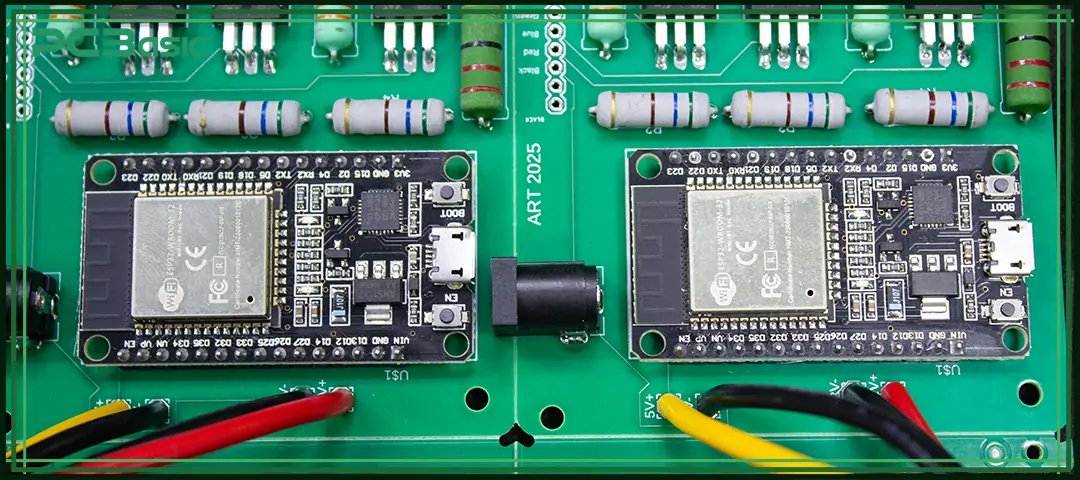
Before discussing what a sub-assembly is, it is necessary to clarify what an assembly is.
In the manufacturing industry, assembly refers to the process of combining multiple independent parts together as per design requirements to form a functioning unit. This process is usually called assembly manufacturing. In simple terms, it is to assemble parts step by step to form a working structure or product.
For instance, soldering electronic components onto the PCB to ensure the normal operation of the circuit, installing the gears into the gearbox to enable the mechanical system to drive, and fixing the wiring harness to the control system to ensure stable signal transmission. All of these belong to the parts assembly. That is to say, parts assembly is the combination of scattered components into assembly units with actual functions.
At the final stage of the production process, multiple completed assembly units will enter the final assembly stage. At this stage, different modules will be integrated into a complete product, which will then undergo testing and inspection. Only after being confirmed as qualified will the shipment be arranged.
Sub-assembly refers to a module that has been partially assembled. It can exist independently as a functional unit, but it is not yet the finished product. It is just a part of a larger system.
In other words, a sub-assembly is an intermediate module, and the final assembly is the process of combining these modules into a finished product.
In the process of sub-assembly manufacturing, companies will first combine the related parts into functional modules and then send them to the final assembly stage for integration. The benefits of doing so are straightforward: it can enhance production efficiency, reduce assembly complexity, and make quality inspections and problem traceability more convenient, making the entire production process clearer and more controllable.
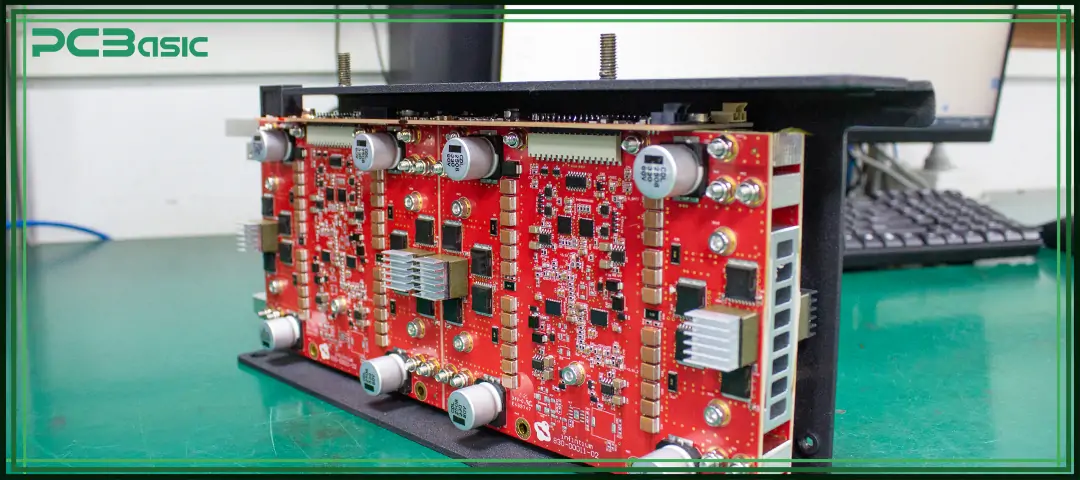
To better understand what a sub-assembly is, here are some practical cases:
• A PCB populated with SMT components is considered a sub-assembly
• It has independent electrical functionality, but is not the final product
• During final assembly, it is integrated into larger systems such as:
Industrial control equipment
Automotive control modules
Medical diagnostic devices
• Includes wiring harnesses, display screens, switches, and related components
• Assembled and tested at the module level first
• Installed into the vehicle during final assembly
• A power supply board completed through sub-assembly manufacturing
• Contains key components such as power ICs, transformers, and capacitors
• Later integrated as part of a complete machine or system

It is very important to understand the difference between what an assembly is and what a sub-assembly is.
|
Aspect |
Assembly |
Sub-Assembly |
|
Definition |
Complete unit |
Partial unit |
|
Production Stage |
End of production |
Mid-stage production |
|
Function |
Ready-to-use finished product |
Module within a larger system |
|
Example |
Finished electronic device |
PCB module inside a device |
In simple terms:
• Sub-assembly = building block
• Final assembly = finished product
In assembly manufacturing, both stages are equally important.
Nowadays, many factories adopt sub-assembly manufacturing. The reasons are actually quite simple and mainly reflected in the following aspects:
After dividing the production process into multiple modules, each sub-assembly can be carried out independently. Before entering the final assembly, different sub-assembly production lines can operate simultaneously, thus making the overall production speed faster.
Testing can be carried out at the sub-assembly stage, and there is no need to wait until the final assembly to discover the problem. Each module can be tested independently, making it easier to locate and solve problems.
If there is a defect in one area, only the faulty sub-assembly needs to be replaced instead of scrapping the entire product, which can reduce losses.
If a company wants to scale up, it can directly increase the production line of sub-assembly manufacturing instead of completely dismantling and starting over the entire production system.
Professional sub-assembly services can optimize the parts assembly process, making production smoother, thereby shortening the delivery time and accelerating the entry of products into the market.
Time is money in your projects – and PCBasic gets it. PCBasic is a PCB assembly company that delivers fast, flawless results every time. Our comprehensive PCB assembly services include expert engineering support at every step, ensuring top quality in every board. As a leading PCB assembly manufacturer, we provide a one-stop solution that streamlines your supply chain. Partner with our advanced PCB prototype factory for quick turnarounds and superior results you can trust.
Sub-assembly manufacturing is widely used across industries.
• PCB sub-assembly
• Control modules
• Communication boards
Electronics heavily depend on modular assembly manufacturing.
• Engine control modules
• ADAS control boards
• Dashboard units
Each unit is a sub-assembly integrated during vehicle final assembly.
• Diagnostic control boards
• Sensor modules
• Power regulation systems
Medical equipment requires precise sub-assembly services to ensure reliability.
• PLC boards
• Power drivers
• Motor control modules
These are classic examples of parts assembly forming critical sub-assembly units.
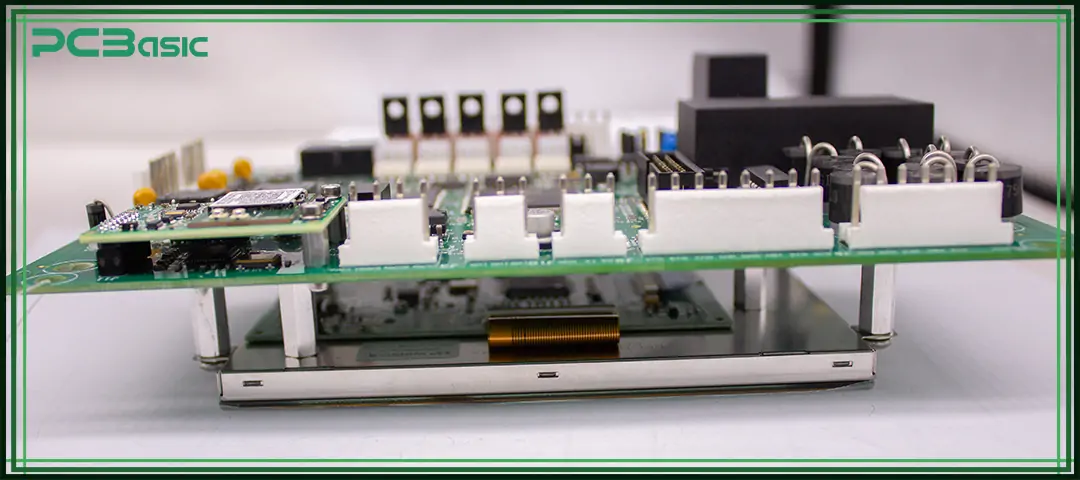
For electronic manufacturing companies, professional sub-assembly services are important. PCBasic offers comprehensive sub-assembly manufacturing solutions, including:
• SMT and DIP parts assembly
• PCB module integration
• Functional testing
• Burn-in testing
• Packaging support
Through advanced assembly manufacturing processes, PCBasic ensures that each sub-assembly complies with industry standards before entering the final assembly.
Relying on automated production lines and a strict quality control system, PCBasic optimizes sub-assembly manufacturing for the following fields:
• Automotive electronics
• Medical PCBA
• Industrial control systems
• Consumer electronics
Reliable sub-assembly services can significantly reduce manufacturing risks and enhance product consistency.

To do well in modern manufacturing, we must first identify what an assembly is and what a sub-assembly is. This is the foundation for understanding the entire production process.
In the current highly competitive market environment, modular production and sub-assembly manufacturing have become important ways to enhance the capabilities of companies. They can help enterprises
• Improve production efficiency
• Maintain stable product quality
• Control manufacturing costs
• Expand capacity more flexibly
When enterprises adopt professional sub-assembly services, it can make parts assembly more organized and final assembly smoother. Thereby enhancing the efficiency and stability of assembly manufacturing as a whole.
The future manufacturing model will increasingly rely on efficient sub-assembly processes. Whoever can do the assembly well will have a more stable and competitive production system.
What is Assembly in Manufacturing?
It is the process of combining components into a complete functional product through assembly manufacturing.
What is Sub-Assembly Manufacturing?
Sub-assembly manufacturing is the process of producing modular units that later become part of a larger system during final assembly.
Are Sub-assemblies Considered Manufacturing?
Yes. Sub-assembly manufacturing is an essential part of assembly manufacturing because it transforms components through structured parts assembly into functional modules.
Sub-Assembly Meaning?
The meaning of sub-assembly refers to a partially completed unit designed to integrate into a larger assembly.
What is Meant by Sub-Assembly Systems?
A sub-assembly system organizes production into modular segments to improve workflow and quality control.
What Future Trends Are Observed in Sub-Assembly?
Future trends in sub-assembly manufacturing include:
• Automation and robotics
• AI-based quality inspection
• Digital MES integration
• Lean assembly manufacturing systems
These trends improve the efficiency of sub-assembly services.
What Technologies Are Used in Sub-Assembly?
Common technologies in sub-assembly manufacturing include:
• SMT and through-hole soldering
• Automated optical inspection (AOI)
• Flying probe testing
• Robotic parts assembly
• Smart production tracking
These technologies ensure reliable sub-assembly quality before final assembly.
What Types of Products Are Suitable for Sub-Assembly?
Products suitable for sub-assembly manufacturing include:
• Electronic devices
• Automotive systems
• Medical equipment
• Industrial controllers
• Telecommunications hardware
Any product requiring complex assembly manufacturing can benefit from structured sub-assembly services.
Assembly Enquiry
Instant Quote
Phone contact

+86-755-27218592
In addition, we've prepared a Help Center. We recommend checking it before reaching out, as your question and its answer may already be clearly explained there.
Wechat Support

In addition, we've prepared a Help Center. We recommend checking it before reaching out, as your question and its answer may already be clearly explained there.
WhatsApp Support

In addition, we've prepared a Help Center. We recommend checking it before reaching out, as your question and its answer may already be clearly explained there.
