
Global high-mix volume high-speed PCBA manufacturer
9:00 -18:00, Mon. - Fri. (GMT+8)
9:00 -12:00, Sat. (GMT+8)
(Except Chinese public holidays)





HomePage > Blog > Knowledge Base > How to Choose the Right PCB Assembly Supplier
Table of Contents
1. Define the Build Before Comparing Suppliers
2. Verify Manufacturing Process Fit
3. Audit Component Sourcing and Incoming Quality
4. Check Inspection, Test, Traceability, and Change Control
5. Compare Suppliers with a Project-Ready Scorecard
A low quote from a PCB assembly supplier can still leave the buyer carrying the expensive risks. Nobody has confirmed which Gerber revision is approved for production, who may replace an obsolete component, or which test will catch a hidden solder defect. That is why two quotations for the same board may look comparable while the work behind them is not.
A better review starts with the build package. Freeze the files and acceptance criteria, check the factory process against the board, then examine sourcing, inspection, and change control. The same questions should reach multiple PCB assembly suppliers, and the answers should be recorded in one scorecard. The review should connect the project requirements to the factory's process controls, inspection records, and traceability system.

A thin project package lets each supplier fill the gaps differently. One may quote a prototype build, another may assume production tooling, and a third may leave test development outside the price. Those differences become clear only when the request is controlled before quotations are requested.
Start with the fabrication revision that engineering actually released. The manufacturing package should identify the layer set, outline, stack-up, finished thickness, copper weight, minimum trace and spacing, drill data, surface finish, solder mask, silkscreen, panel requirements, and order quantity. Special features need a place in the same review. Impedance control, blind or buried vias, heavy copper, and nonstandard laminates can change the process, so they cannot appear as an afterthought.
Exceptions deserve equal attention. If a fab note alters a drill size, panel rail, or surface finish, the buyer needs to know before the board is released. A written deviation is easier to assess than a general claim that the factory can handle the project.
The BOM should carry manufacturer part numbers, reference designators, package types, quantity per board, and approved alternates. Parts that cannot be substituted need an explicit lock. Everything else needs a named approval path for lifecycle, lead-time, or compliance changes. The risk rises when the same PCB assembly factory also buys the components.
Component checks should cover the manufacturer, distributor, date code, packaging, and storage conditions. An alternate is not equivalent just because it fits the footprint; the review has to consider electrical behavior, mechanical constraints, firmware effects, and the end product's regulatory compliance. Safety or regulated functions may require engineering approval before material is ordered.
A test plan turns acceptance into something the supplier can price and execute. State what needs visual inspection, what must be measured electrically, and what has to work functionally. Add the limits, fixture ownership, programming files, serialization rules, sample size, failure path, and records expected at shipment.
The acceptance standard should match a controlled revision. IPC J-STD-001 addresses soldering process and acceptance requirements, while IPC-A-610 provides post-assembly acceptability criteria. The applicable class or customer specification belongs in the request. Leaving it unstated gives the factory room to apply a different interpretation.
“We assemble PCBs” is too broad to support a supplier decision. The relevant question is whether the process matches the board mix, package technology, volume, sequence, and schedule. A factory that performs well on simple single-sided through-hole work may be a poor match for a dense assembly with fine-pitch parts, bottom-terminated packages, and functional test requirements.
For a mixed-technology board with components on both sides, ask which side is reflowed first and how second-side components are supported. Press-fit, selective solder, wave solder, hand solder, and rework each introduce a different control point. Package size, pitch, BGA count, connector type, and thermal mass also affect whether the route is routine or needs engineering review.
An SMT PCB assembly supplier should be able to explain stencil control, paste inspection, placement verification, reflow profiling, AOI, and rework rules. A through-hole or mixed process needs its own controls for flux, preheat, solder wave or selective solder, thermal stress, cleaning, and inspection. Choosing an SMT PCB assembly supplier is therefore not a brand comparison; it is a check that the proposed route covers the actual assembly and the points where the buyer must approve a deviation.
The documented manufacturing scope for PCBasic includes PCB fabrication, component sourcing, BOM import, SMT, DIP, wave and selective soldering, first article inspection, SPI, AOI, X-ray, functional testing, test fixtures, MES-supported production management, and traceability. Those activities describe supported manufacturing steps; the process route, inspection coverage, and acceptance criteria still need project-specific confirmation.
Urgency does not make an incomplete package production-ready. A credible quick turn PCB assembly supplier will first confirm file release, component availability, approved alternates, stencil or fixture readiness, capacity, inspection coverage, testing, and the authority to resolve exceptions. Those checks create the schedule; they do not disappear because the deadline is short.
Ask for the critical path instead of one lead-time number. A delayed connector, an unapproved alternate, or a missing test fixture can consume more time than assembly itself. If the design is still changing, the supplier should say so before material is committed. For a closer look at how suppliers frame schedule and readiness claims, see the fast-turn PCB assembly manufacturer comparison.
Assembly capability and sourcing control are separate strengths. A factory may run excellent SMT lines while still lacking a disciplined method for purchasing, storing, inspecting, and substituting parts. Both areas belong in the award decision. Component sourcing control is part of the same decision. Review electronic component sourcing controls before accepting a quote that treats BOM procurement as a simple pass-through task.
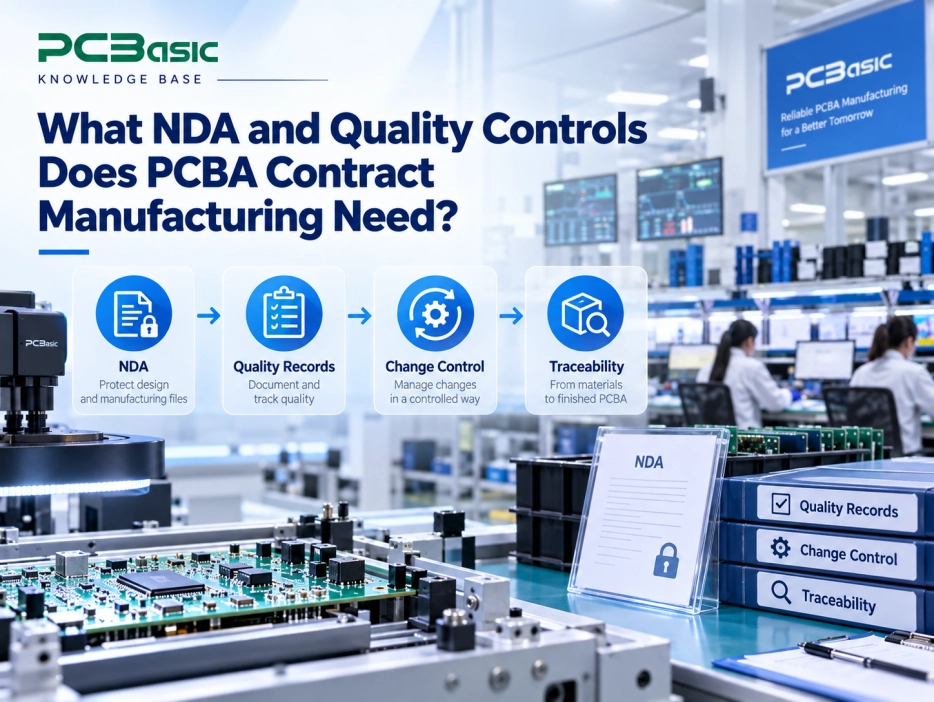
Define who may approve a substitution and what evidence must follow it. The record should connect the approved part to the assembly revision, quantity, lot, and test result. IPC-1782B describes risk-based traceability requirements for manufacturing and supply chains, but it does not decide which traceability level a specific order needs. That choice remains with the buyer and supplier.
A quotation should state whether the factory can provide lot-level component records, date codes, supplier identity, incoming inspection results, rework records, and finished-goods serialization when required. Automotive, medical, and other regulated products may need records that extend through subassembly and repair. “Full traceability” says little until the fields and retention period are defined.
Incoming inspection should follow component risk. Quantity, packaging, part marking, moisture-sensitive device handling, electrostatic-discharge controls, and sampling or measurement may all matter. A critical part may need more than a visual check, while a mature purchased item may not justify the same level of inspection.
A documented quality-control flow can connect supplier control, IQC incoming material inspection, first article approval, component storage, nonconforming-material handling, and production release. A manufacturing execution system or equivalent production system should keep the approved revision, material status, inspection results, and test records linked to the build.
Failed material needs a visible disposition. Is it quarantined, returned, replaced, or sent to engineering for review? Who records the decision? How does the replacement affect the approved BOM and production date? A PCB assembly factory that cannot answer those questions will also have trouble maintaining consistency across repeat orders.
Process capability explains how the board can be built. Inspection and test evidence explains how the supplier will prove that the build is acceptable. The evidence set should reflect solder-joint risk, package density, board value, end use, and the cost of a field failure.
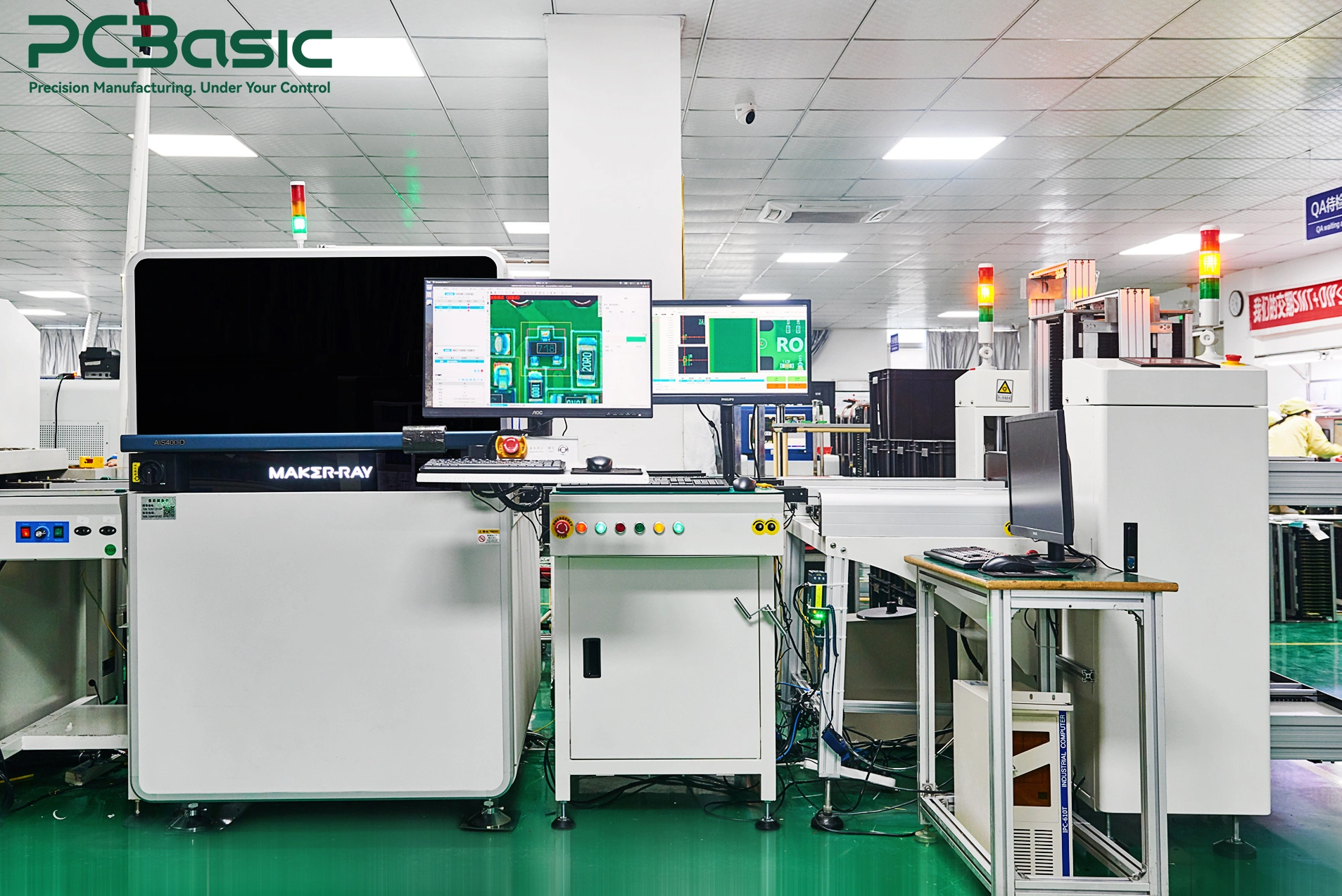
Each inspection method should answer a specific risk. Solder-paste inspection checks deposition before placement. AOI checks visible placement and solder characteristics. X-ray can reveal hidden joints under BGA and other bottom-terminated packages, but it does not replace electrical or functional verification. Flying probe or in-circuit testing can verify continuity, isolation, component presence, and specified values, depending on test access and coverage.
The manufacturing plan should state sampling, programming, false-call handling, rework limits, and records. If a known failure mode sits outside the selected test coverage, the buyer should add a check or document the residual risk. More inspection is not automatically better when it does not answer an acceptance question.
Functional test verifies that the assembly behaves as the product requires under defined test conditions. The package needs a controlled test specification, input conditions, power limits, communications setup, pass and fail thresholds, fixture design, software version, and a rule for ambiguous results. Actual coverage still has to be agreed for each board and program. For projects that require functional verification, the functional testing and fixture requirements should be checked against the test specification, fixture ownership, limits, and records.
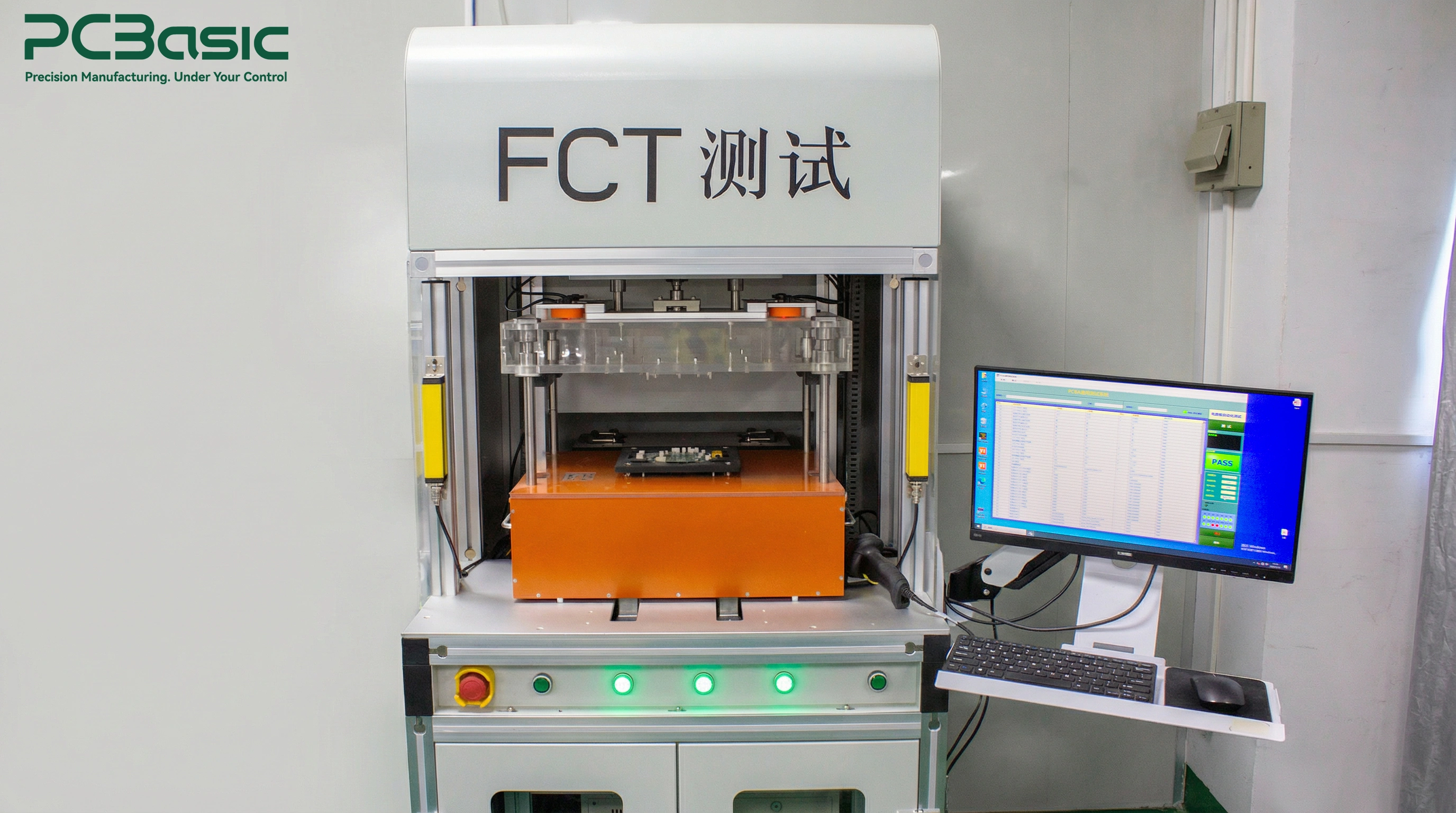
Determine who supplies, develops, and maintains the fixture, and who controls the test program. Test equipment calibration, burn-in, environmental exposure, and customer-specific test sequences add time and records, so they need to appear in the quotation. At shipment, the buyer should be able to see which unit or lot passed, which revision was tested, and how failures were handled.
A supplier can build the first sample correctly and still fail on the next order if revision control is weak. Every change needs an owner, an approval record, and an effective date. Gerber revisions, BOM changes, alternate parts, process deviations, test-program updates, and rework instructions all belong in that system.
Ask how the factory freezes the production package and prevents an old file, component, or test limit from returning. For repeat builds, a short pre-production confirmation can list the current revision, approved deviations, material status, and test readiness. Record retention and retrieval also matter, especially when a field issue appears months after shipment.
For repeat production, traceability should connect the approved Gerber and BOM revision, component lots, SMT or DIP route, inspection and test results, rework records, and final shipment status. A manufacturing execution system can support that record chain, but the fields, retention period, and access method still need to match the buyer's risk, quality-system, and regulatory requirements.
Give every supplier the same evidence request. Comparing PCB assembly suppliers is easier when a short technical response and a detailed manufacturing plan are measured against the same questions. A simple board may need less evidence than a regulated or high-value build, but each answer still has to cover the actual project risk.
|
Evaluation area |
Buyer question |
Evidence to request |
|
Build package |
Are the Gerber, BOM, quantity, and acceptance limits released? |
Written exceptions, missing inputs, and the controlled revision |
|
Process and schedule |
Does the SMT, through-hole, or mixed route match the board and deadline? |
Process flow, capability limits, and critical-path dependencies |
|
Components and sourcing |
Who approves alternates, and how are lots controlled? |
Alternate rule, IQC method, and traceability scope |
|
Quality evidence |
Which inspection and test records prove acceptance? |
Failure-mode mapping, test limits, fixture control, and records |
|
Change control |
How will repeat builds stay on the approved revision? |
Revision freeze, deviation log, and named engineering owner |
A prototype may accept a lean inspection plan when the buyer understands the risk and the test evidence is sufficient. Production or regulated work usually needs tighter alternate control, stronger records, and a clear corrective-action route. A capable PCB assembly supplier is one that can show the required evidence at the required volume and quality level.
The right choice is the supplier whose process, sourcing controls, inspection coverage, test plan, and change records match the board being built. A low quote remains meaningful only when it covers the same revision, quantity, process route, acceptance criteria, and documentation as every other response. Freeze the Gerber, BOM, test plan, and sourcing rules first. Then ask each candidate to explain exceptions and support its claims with evidence. After the scorecard and supplier answers are clear, contact PCBasic before schedule pressure drives the decision.
Q1: What should I send a PCB assembly supplier for an accurate review?
A1: Send the released Gerber, BOM, quantity, approved alternates, material and surface-finish requirements, test specification, acceptance criteria, and any revision or traceability needs. Identify which files are approved for production and which requirements still need engineering review.
Q2: Does an ISO or IATF certificate prove a PCB assembly factory can build my board?
A2: No. A certificate describes an audited management system and its scope; it does not prove that every process, test, material, or schedule requirement for a specific board is covered. Check the certificate scope, then verify the project-specific capability and evidence.
Q3: How should I compare a quick turn PCB assembly supplier with a standard production quote?
A3: Compare the same technical package, process route, component status, inspection and test scope, change-control requirements, and delivery dependencies. A faster quotation is meaningful only when both suppliers are pricing the same revision and acceptance requirements.

Assembly Enquiry
Instant Quote



Phone contact

+86-755-27218592
In addition, we've prepared a Help Center. We recommend checking it before reaching out, as your question and its answer may already be clearly explained there.
Wechat Support

In addition, we've prepared a Help Center. We recommend checking it before reaching out, as your question and its answer may already be clearly explained there.
WhatsApp Support

In addition, we've prepared a Help Center. We recommend checking it before reaching out, as your question and its answer may already be clearly explained there.
